Stray Dogs in Sri Lanka: How Travelers Can Help & Stay Safe
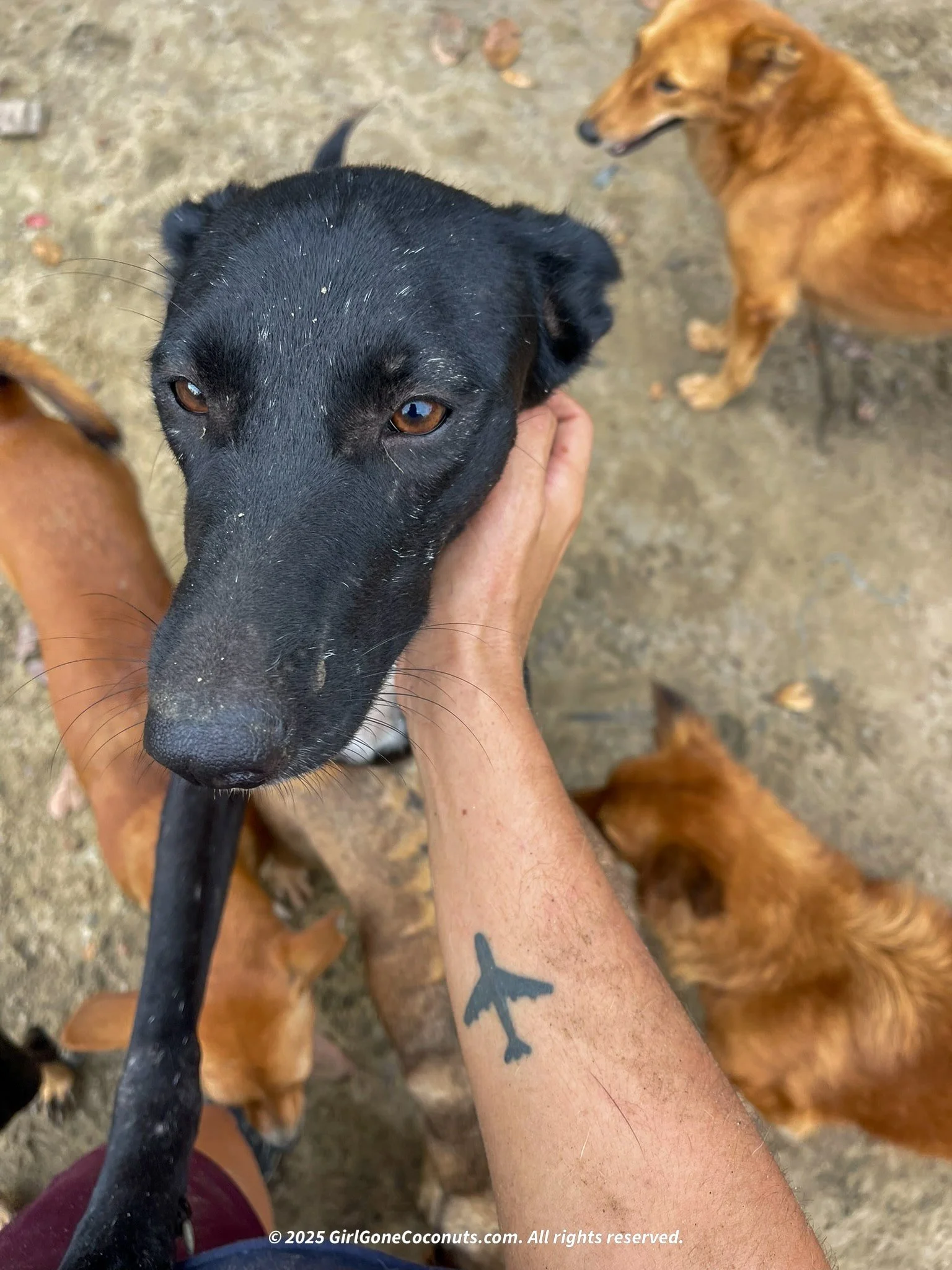
Walk the streets of Sri Lanka and you will notice them all: stray dogs everywhere, sleeping, scavenging, surviving. At first, you might think, “How cute” or “Poor thing, so skinny,” but the reality is harsher than it looks. Their lives are difficult, and the stray dog problem affects locals, tourists, and families alike. It is massive, complicated, and heartbreaking, but there are things we can do to help, even in small, meaningful ways.
This article will guide you on how to stay safe around so many stray dogs while also showing how you can help, whether through small acts or larger, more impactful contributions. Every tiny bit of help can be life-changing for both the stray dogs and the people living there.
Oh & as always practice sustainable tourism while traveling, please :)
Disclaimer: This post contains affiliate links. If you click through and make a purchase, my blog may receive a commission at no additional cost to you.
Stray Dogs in Sri Lanka: everything you need to know
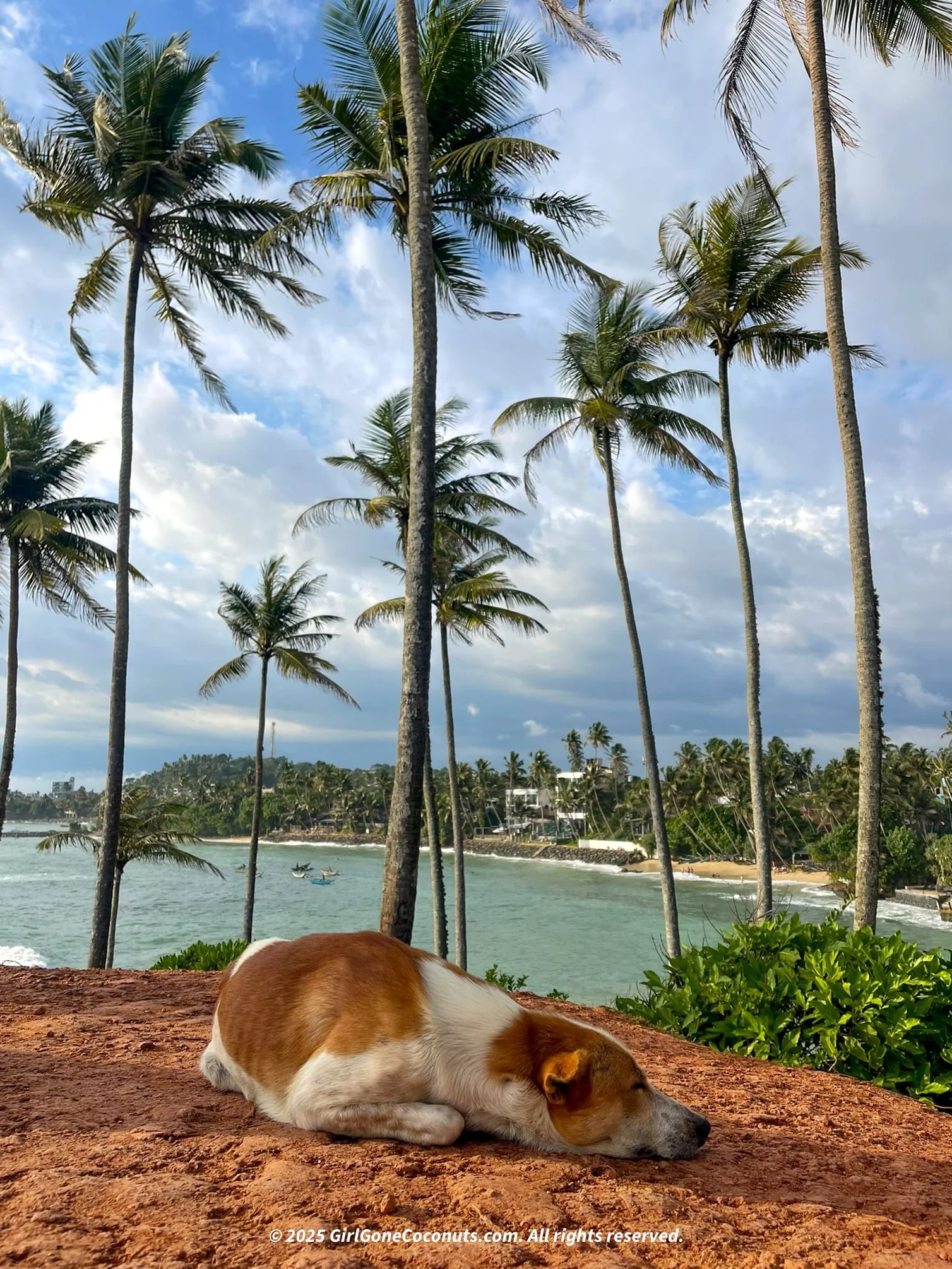
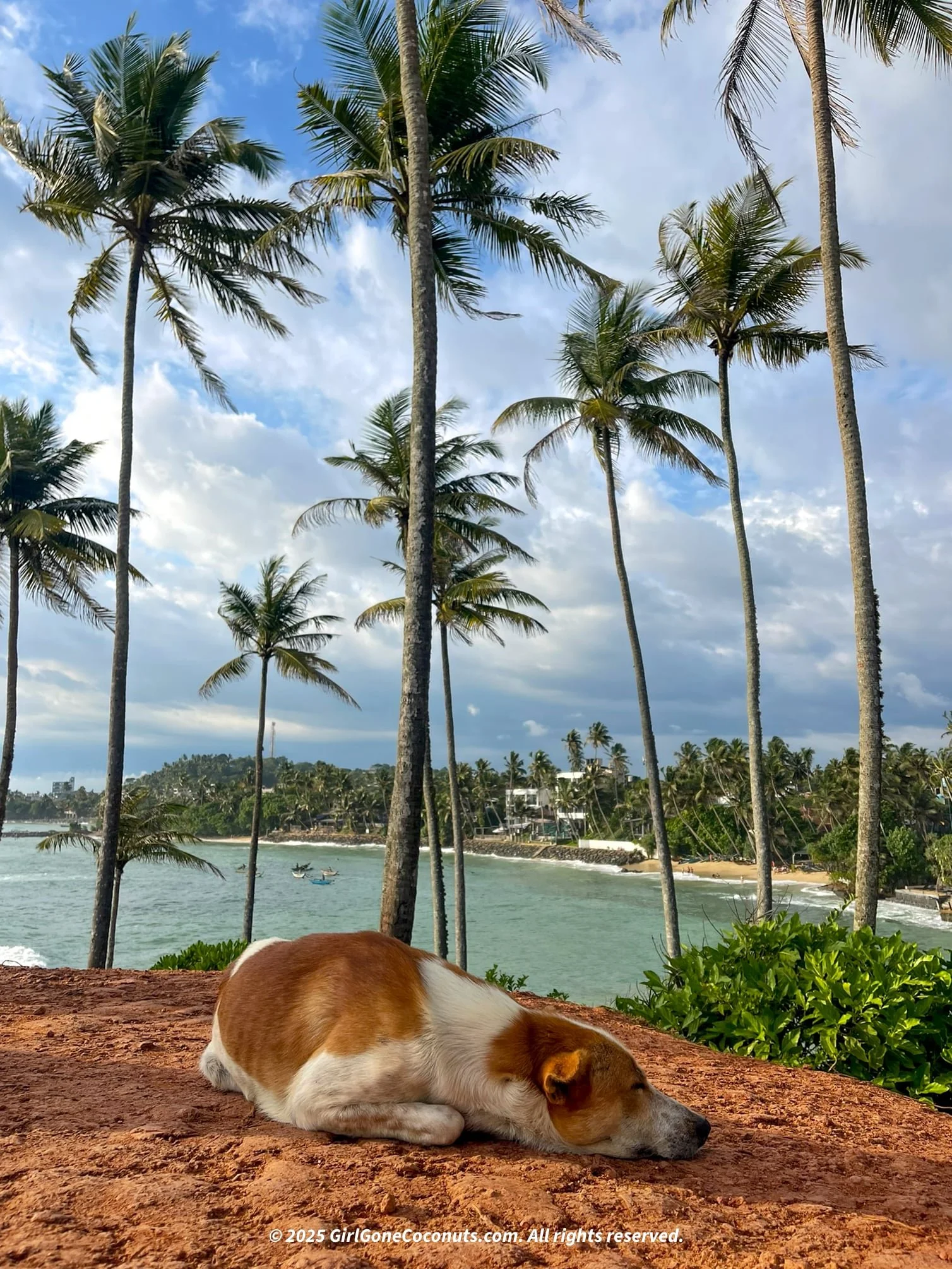
A sweet stray dog taking a cozy nap on top of the iconic Coconut Tree Hill in Mirissa Sri Lanka.
Pin it & save it for later!
Disclaimer: I am not a veterinarian or animal health professional. Everything I share here comes from my personal experiences and research while traveling in Sri Lanka. This article is meant to raise awareness and share what I have seen firsthand, not to provide medical advice. If you are concerned about an animal’s health or safety, please reach out to a qualified vet or local organization.
Table of Contents
Stray Dogs in Sri Lanka: Why You Should Care
Stray Dog Facts: Understanding the Situation in Sri Lanka
Helping Stray Dogs in Sri Lanka (and Staying Safe While Doing It)
AnimalSOS: Sri Lanka’s Stray Dog Heroes
Personal Experiences with Stray Dogs on the Streets
Stray Dogs in Sri Lanka: Why You Should Care
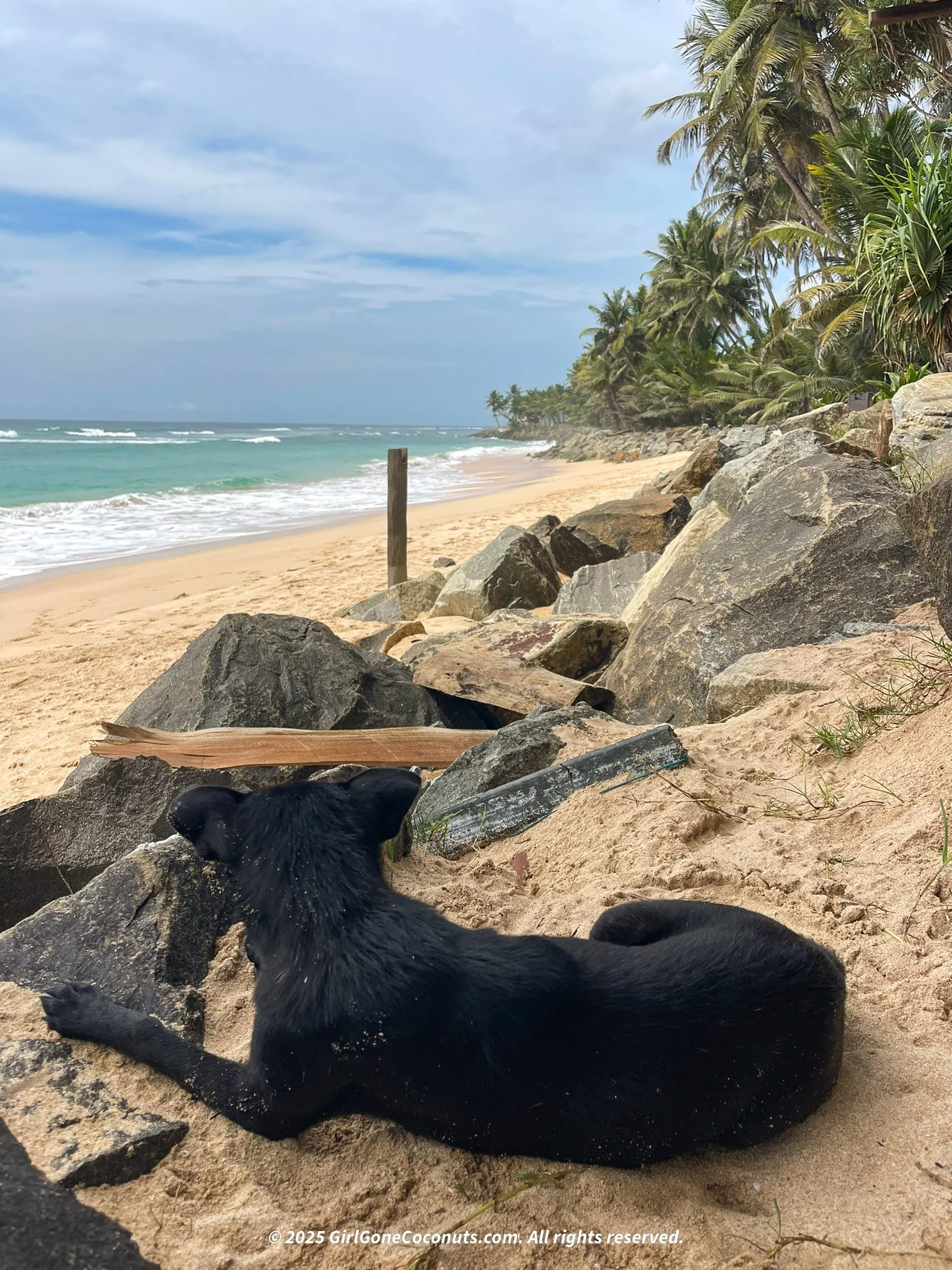
A friendly beach stray dog in Sri Lanka.
As a tourist, it is easy to walk past a stray dog in Sri Lanka and not give it much thought, aside from “aw, how cute” or “ew, look how dirty and sick.” However, once you start paying attention, you realize just how many there truly are and how sad and difficult their lives can be. Skinny, starving bodies, mange, limps from being hit by tuk-tuks or people— you have to be heartless for it not to affect you. Yet these dogs are everywhere. They are part of Sri Lanka and the landscape here, just like the palm trees and the surf.
You should care, not only because the dogs are an existing being that deserves a better life, but also because the problem touches everyone, including locals, tourists, and families just trying to get by. Strays are not just a Sri Lankan issue. They are a worldwide issue, especially outside of the Western world, and as travelers, we can either be ignorant of it or be part of the solution, no matter how small the contribution.
Stray Dog Facts: Understanding the Situation in Sri Lanka
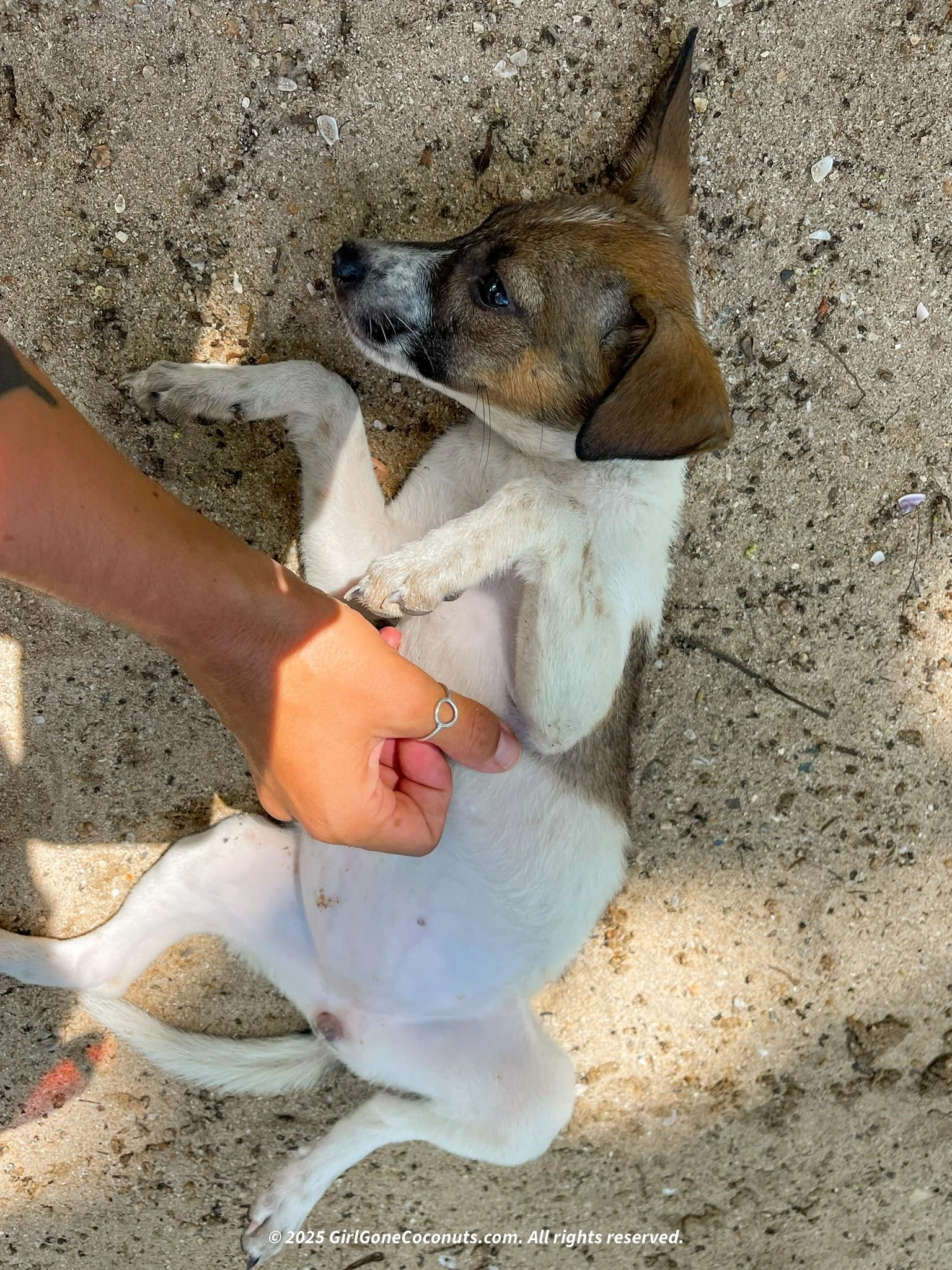
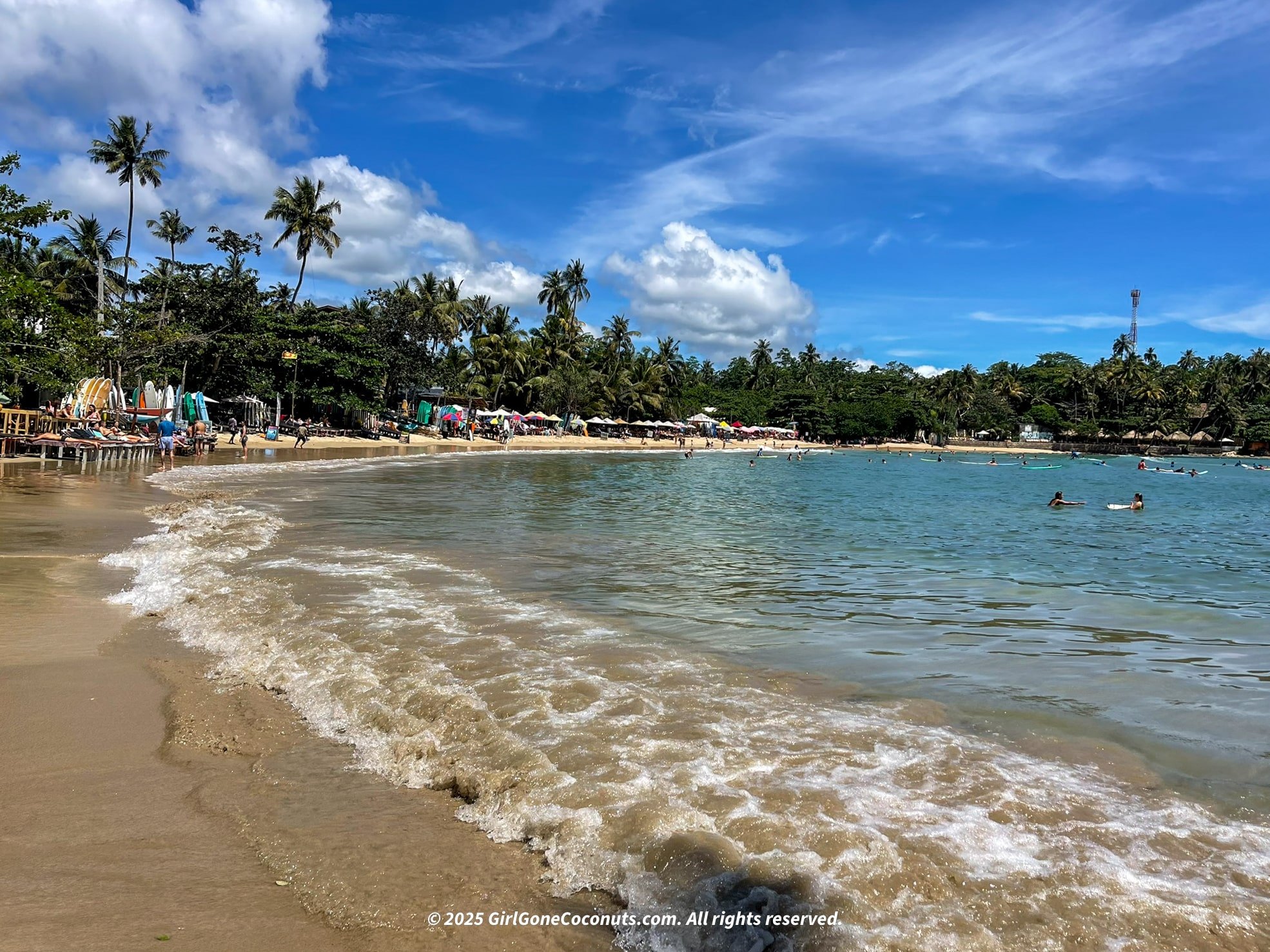
A tiny friend I made on Weligama Beach, Sri Lanka.
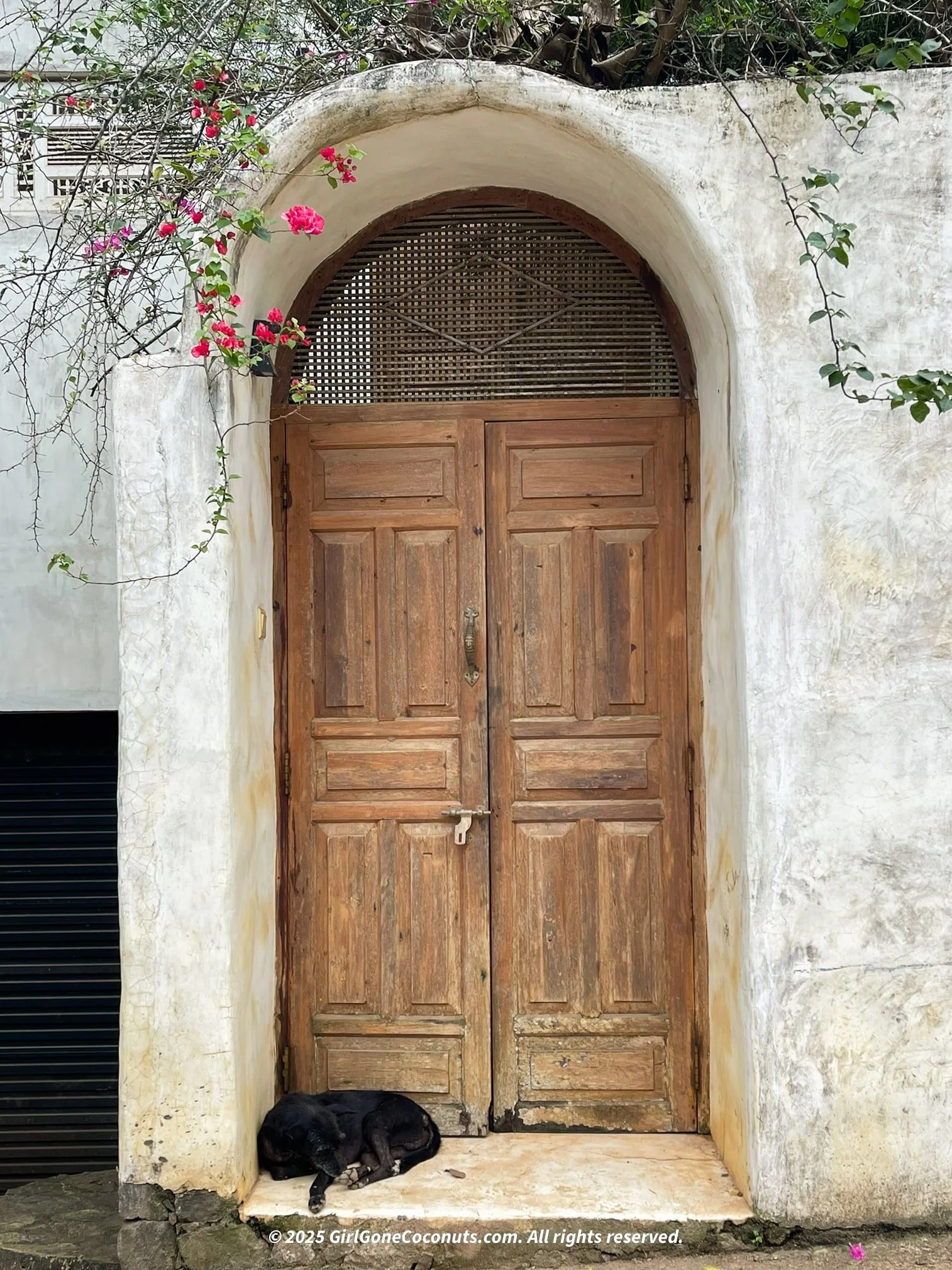
A local stray that this hotel takes care of in Hiriketiya.
There are an estimated 2–6 million stray dogs across Sri Lanka. Getting a clear number is nearly impossible, as many hide in the jungles and countless females are constantly pregnant, with only about 60 percent of puppies estimated to survive their first year, according to AnimalSOS. To put that into perspective, that is roughly one dog for every eight people. It is clear that there is a massive stray dog issue in the country that both locals and tourists encounter daily. While in the West, dogs are often seen as family members, this is not always the case here, as well as in many parts of Southeast Asia. Just as we might view rats, mice, cockroaches, or ants, locals may see stray dogs in a similar way—pests that steal food, rummage through trash, and carry the risk of disease.
That perspective is understandable given the prevalence of rabies in Sri Lanka. Would you want to risk your children being bitten by a dog that might unknowingly have rabies? Certainly not. You would likely shoo the dog away or take whatever measures were necessary to keep it from coming close. Perhaps the dog does not have rabies, but someone recently frightened and beat this dog in the past to keep it away, so when you or someone you love tries to get close, it becomes frightened and attacks, which can be fatal for young kids.
Or imagine struggling to put food on the table, only to find a dog feeding on your crops meant for your family. In that situation, some resort to poison as a way to protect what little they have.
Yes, rabies is still present in Sri Lanka, but it is important to note that the number of human deaths has dropped significantly, from around 400 per year in the 1970s to about 11–20 annually since 2020. The problem has not been eliminated, but it is being mitigated.
I am not condemning these actions; rather, I am sharing the perspective of people who live with this issue every day. Of course, this does not reflect everyone’s attitude. Many people and businesses view stray dogs differently, caring for them daily with food, affection, and kindness. They recognize that if they care for a dog, the dog will, in turn, care for them and help keep their community safe.
It is not all bad in the country. With a few organizations doing what they can to help, along with local vets and supportive tourists, Sri Lanka has been able to vaccinate over 100,000 stray dogs and sterilize around 30,000 dogs every year. This is a huge part of the solution to the stray dog problem. Although it may go against some religious and cultural beliefs, vaccination and sterilization are key.
A female dog can have around two litters per year, with 4–12 puppies in each litter— this can amount to up to 24 puppies per year per dog. If half the dogs are female, that is around 36 million puppies per year, of which about 14.4 million might survive. The rest will die from preventable diseases such as distemper and parvovirus. Without sterilization, reducing the stray dog problem is an impossible task.
Stray dogs also deal with mange, ticks, fleas, worms, and other parasites, all of which are preventable with proper medication. Canine hepatitis, another vaccine-preventable disease, is also widespread.
So religion aside, my question is: what is more humane and right— letting stray dogs and puppies suffer slow deaths and horrific lives, or using our abilities and power as humans to help them in any way we can, which in many cases means protecting them from diseases through vaccination and preventing the continuous increase in population through sterilization?
The Do’s & Don’ts of Helping Stray Dogs in Sri Lanka
Here are just a few things you can do and things you should not do while trying to help….
The Good:
If you see a wounded or sick dog, do not approach it. Try your best to take a photo and reach the nearest animal rescue or vet. If you are unsure who is the closest, you can reach out to AnimalSOS or WECare, and they can point you in the right direction.
If you notice a dog with fleas or ticks and plan to stay in the area for a while, you can reach out to either organization for help in getting medication to distribute.
To feed a dog (only feed one dog that is alone without others around):
Pick simple, plain food when you can. Plain white rice and boneless chicken or any other boneless meat, as well as dog food, are great options. Many grocery stores sell dog food, but keep in mind that some dogs are picky eaters. Do not take it personally if they do not eat what you offer. Of course, a starving dog will eat just about anything. Leaving out some water in a plastic bowl or even an empty coconut can also be helpful. Coconut water is highly hydrating and can benefit dogs as well.
Many dogs, especially those further from tourist areas, are afraid of human interaction. If a dog seems hesitant, simply place the food and water nearby and step away to give them space. I promise they will eat once you leave!
Feed in different locations (further away from the accommodation and cafes, etc.), especially if you will not be there forever. Otherwise, the dog will start to rely on you and make itself at home there.
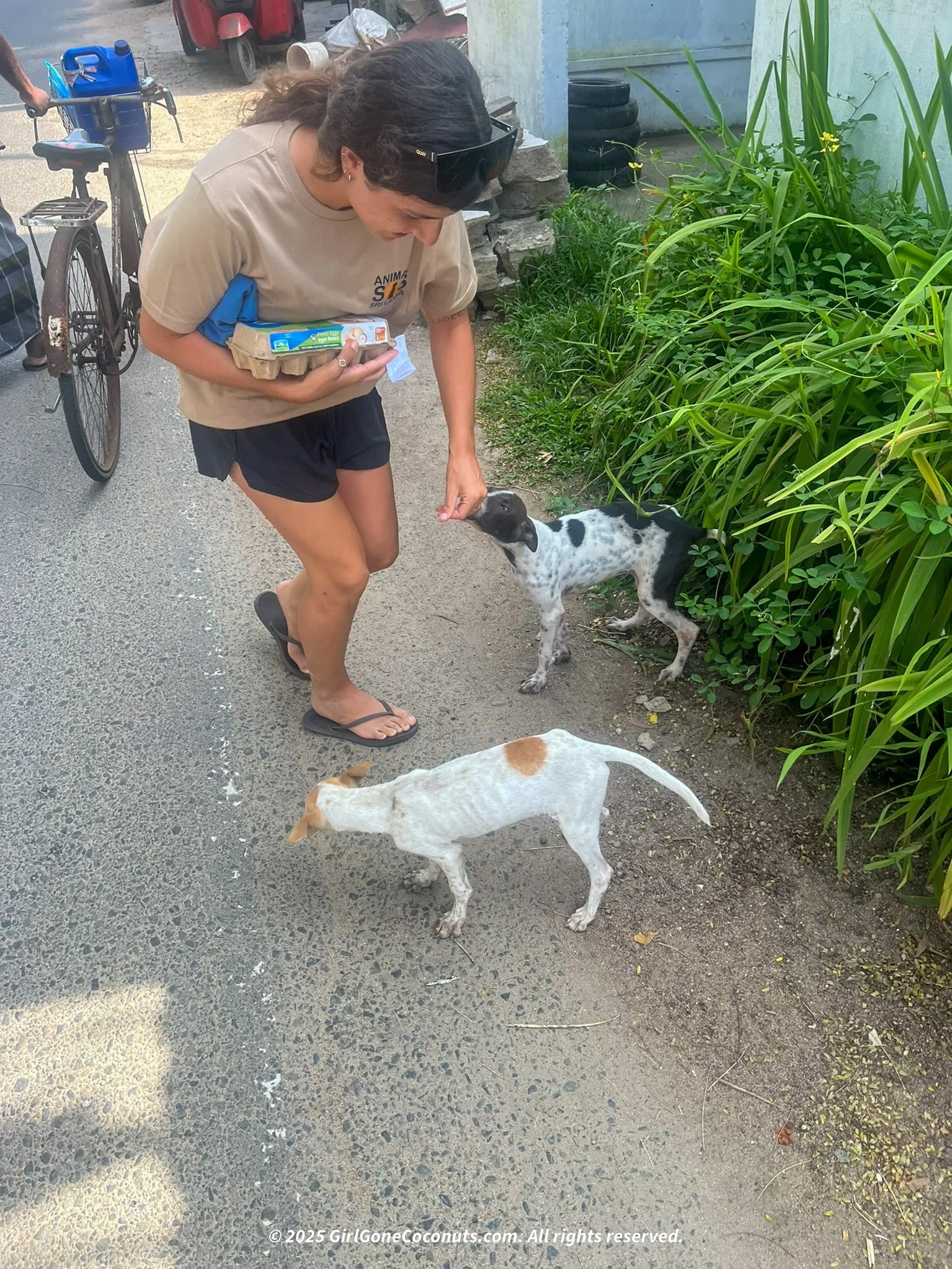
If you see puppies, leave them where they are. You can always send a report to a nearby animal rescue to get some help feeding them. The mom of the puppies is usually around, hunting for some food. Of course, if the puppies are famished, the mother may no longer be there. The best thing you can do is leave them where they are, take a photo and mark it on your map, bring some powdered milk formula mixed with water, and feed them a few times throughout the day. If you want even more information, I think Lomdogs Animal Shelter has a really good post about street puppies.
If you are planning to spend time in areas with a lot of strays, you can prepare by carrying small packs of dry dog food, collapsible bowls, or even coconut water for overheated dogs. Rabies vaccinations and a tetanus shot are never a bad idea for an extra layer of safety.
Be mindful of strays when driving.
If you see a wounded or sick dog, do not approach it. Try your best to take a photo and reach the nearest animal rescue or vet. If you are unsure who is the closest, you can reach out to AnimalSOS or WECare, and they can point you in the right direction.
If you notice a dog with fleas or ticks and plan to stay in the area for a while, you can reach out to either organization for help in getting medication to distribute.
If you see a potentially poisoned dog, follow this shelter’s instructions and contact the nearest animal rescue.
If you see a dog with a potential heat stroke (and it seems friendly or immobile), gently pour cool water over the dog’s body. Give the dog coconut water. If you do not feel confident or comfortable approaching the dog, don’t! Call a nearby rescue for help. Never do anything you are unsure of or do not feel confident doing.
If you see a dog with a rope embedded in its neck or a collar that is far too tight, do not try to remove it yourself (it can cause more injury). Take a photo and call a rescue immediately.
It is common for hunters in the area to set out meat bombs to catch wild bulls/cows. A starving dog may see the meat-bomb and go for it, resulting in a tragic explosion. If you see this happen or a dog who is injured from it, immediately pin your location, snap a photo as best you can, and call the closest rescue.
If you have more time, consider volunteering with one of these organizations to make an even bigger impact. I volunteered with Animal SOS, and it was a truly amazing day that left my heart even fuller.
Set an example to other tourists and speak out. I cannot tell you how many times people around me will cringe when I pet a stray or make a face when I feed them. That is not a reflection of you; it is a reflection of their character, their environment, or lack of knowledge around the subject. I always try to set an example by continuing to feed the dogs and give them water. Or perhaps, you can educate them a bit (usually not worth the effort). But in giving food, water, and medication, you are setting an example to others who may have wanted to help but were not sure how.
Download an eSIM so you have service throughout Sri Lanka for calling an animal rescue, sending messages, and pinning a dog’s locations. You can also purchase a physical SIM card throughout Sri Lanka.
Mistakes can happen, especially around stray dogs, so I recommend always having some form of travel medical insurance. Safety Wing is by far the best travel medical insurance.
Emergency Contact Numbers in Sri Lanka: Police: 119 | Ambulance: 110. You can find a complete list of Sri Lanka’s Emergency #’s by location here.
The Not So Good:
These are things that can put either you or the dog at risk, so it is best to avoid them. Never do anything that you are unsure of or are not confident in. Put yourself first and contact a local rescue for help before attempting anything!
Do not chase, cage in, approach, tease, or feed any dog from your hand, especially if this is your first time trying. Instead, lay out the food safely nearby, and then walk away to give the dog some space to eat it. It might even wait until you are no longer watching.
Do not ignore signs of aggression. Growling, showing teeth, or stiff body posture means back away slowly. Never force interaction, even if you think the dog “just needs love”— not all of them want it.
Do not feed dogs garbage or cooked bones. These can cause serious internal damage. Stick to plain, safe food.
Do not assume all dogs are hungry. Some strays may already be being fed by locals or rescues. Overfeeding can cause tummy issues, so small, simple portions are best.
Do not feed groups of dogs. This often causes fighting over the food, and overall, a dangerous spectacle you do not want to be a part of.
Do not feed dogs in accommodation areas, in dangerous areas, outside shops or cafes, etc. This will make the dog dependent on this area, where he will then continuously return for food. This can cause problems with the people who own the businesses and further danger to the dog and yourself.
Never approach sick-looking, injured, or frightened dogs. Do not run towards them or make them feel barricaded/unsafe. Many dogs are frightened by previous abuse or circumstances and will react to protect themselves. This is why you should always be cautious when petting dogs. If you bring your hand down from above, they may confuse it with being hit. It is best to only approach dogs in well-recognized tourist areas that are friendly and taken care of by the locals in the area. All other dogs are best left alone. You can still place food and water down for them and walk away. It may seem a bit over the top, but it’s best to be safe than sorry.
Do not give medicine unless guided by a vet or rescue. Human painkillers and antibiotics can be very dangerous for dogs, even if given with good intentions.
Do not take puppies or any dog home to your hotel or guesthouse. It is tempting, but it usually separates them from their mother permanently and creates bigger problems later. Likely, you are not staying there forever, so it is just setting up the dog and the accommodation owner for failure once you are gone.
Pro Tip: If you see two dogs “stuck butt to butt,” they are not stuck. That is how dogs finish their mating process.
AnimalSOS: Sri Lanka’s Stray Dog Heroes
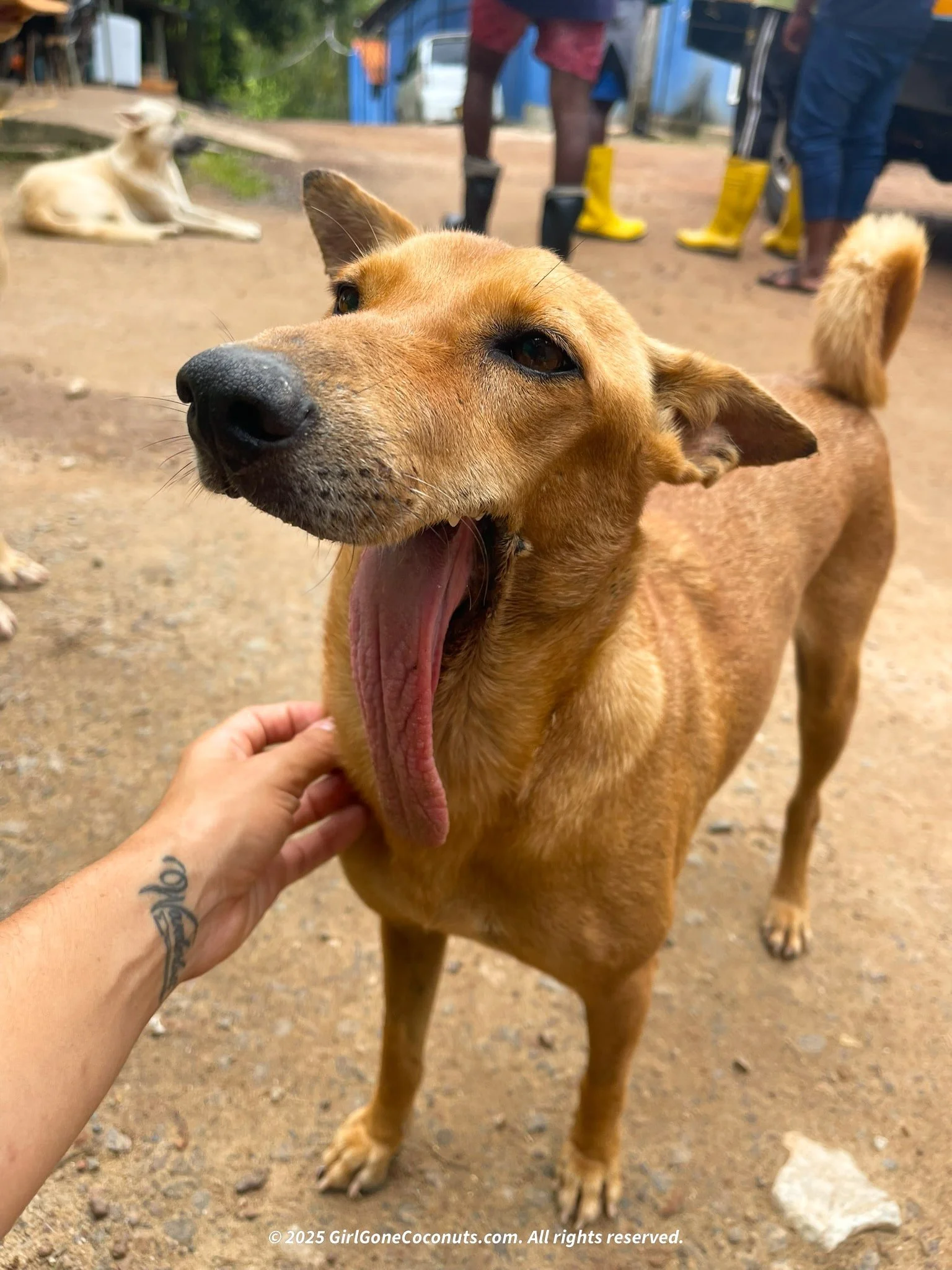
A dog from AnimalSOS whom lost its bottom jaw from a meat bomb.
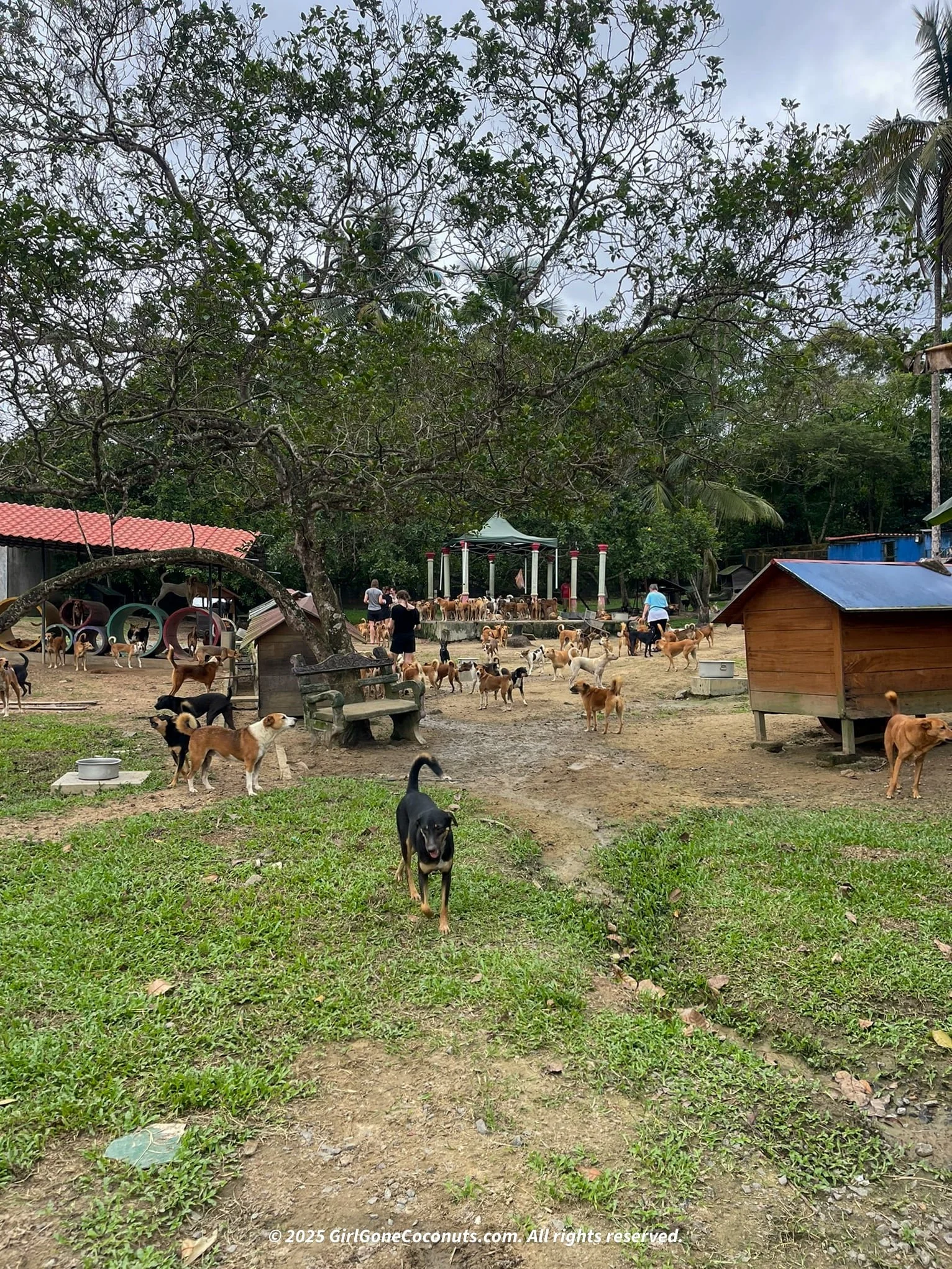
A view of the thousands of dogs AnimalSOS currently cares for.
Ready to volunteer with one of the amazing animal rescues in Sri Lanka? Say hello to AnimalSOS, a non-profit organization near Ahangama that rescues, rehabilitates, and rehomes stray animals in need. Their work is mind-boggling (in the best way). Envision large, wide-open land filled with over TWO THOUSAND STRAY DOGS. Like…what? Tell me an organization with a bigger heart…I’ll wait. This organization busts its butt to help protect, sterilize, and take care of strays all over the south coast of Sri Lanka. The best part? You can volunteer for however many days you want! Just shoot them an email to let them know whether you want to just visit or volunteer, and when you plan to come. Be sure to pack some water and snacks for the day—maybe even some cash in case you want to donate or purchase a t-shirt! I suggest wearing longer pants, loose, flowy/breathable clothing, and some durable shoes for the day.
So what does a volunteer day look like? Really, you just wake up, drive through beautiful rice-terraced fields on your way to the shelter, and then you are greeted by one of the sweetest doggies out there—Seven. Her lower jaw had to be removed after she ate one of the illegal meat-bombs (Hakka Patas). From there, you simply help out with whatever the shelter needs that day. During my time, I was helping with checking which dogs were up to date on their vaccinations and which ones still needed them. The ones who needed their next dose, we brought over to the vets.
After a few hours of helping, we were allowed to roam and give the dogs some love—trust me, there is so much love to be received, they all want it. I am sure you will find those few dogs with whom you make that unpredictable connection. Best-case scenario? You take one home with you, or you just keep coming back for more volunteer time with them. I know it is difficult; we all want to take every dog home. But I always tell myself, everyone has a place. If you were to adopt a dog right now, you could not really volunteer anymore because you would need to be home with your new family member. Remind yourself the next time you feel upset that you cannot take them all home— the world needs volunteers, too.
Personal Experiences with Stray Dogs on the Streets
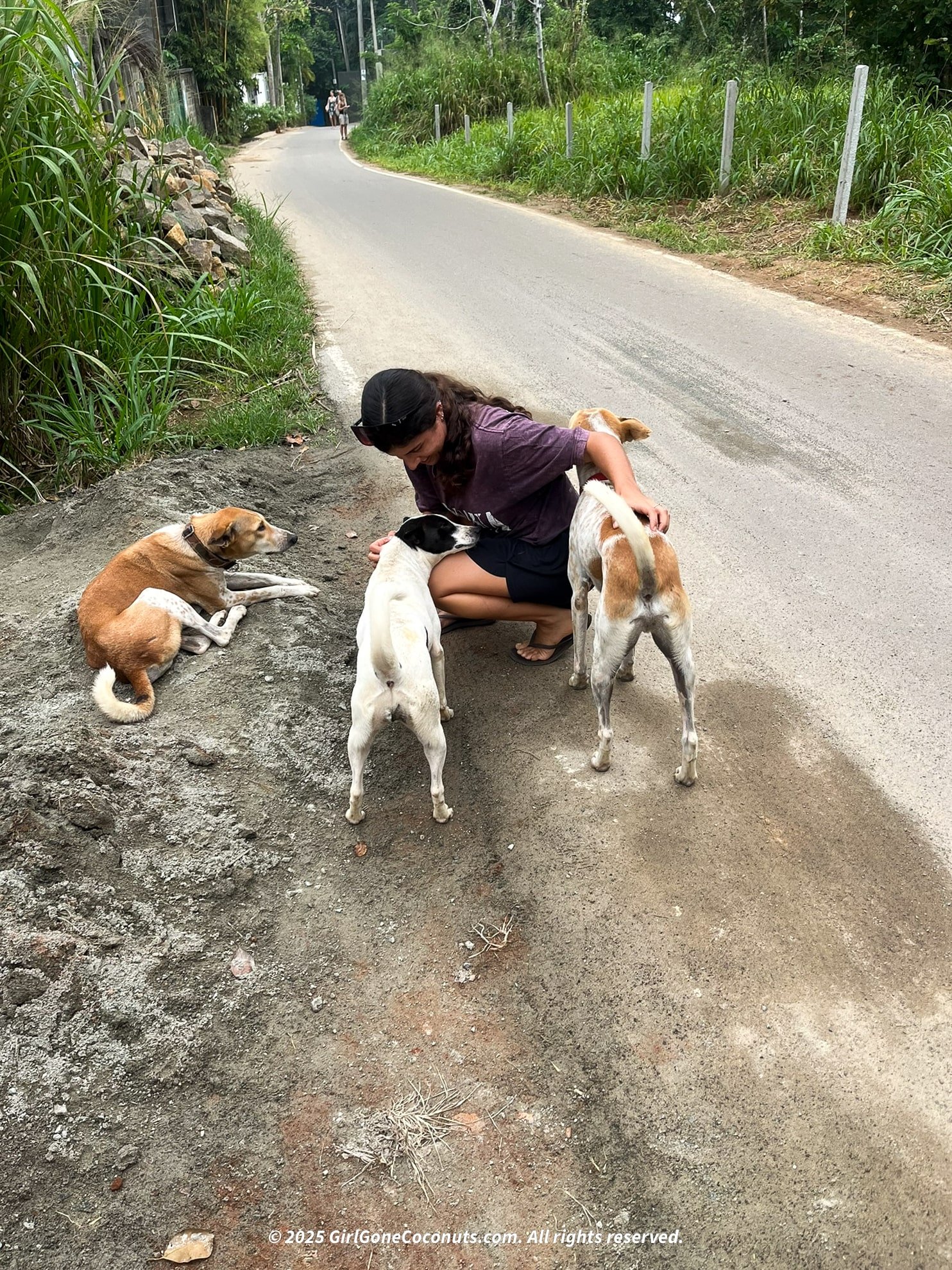
Some sweet stray pups just looking for love— some people will place collars on dogs that they are feeding regularly.
When I first arrived in Sri Lanka, I noticed the stray dogs almost immediately. They were everywhere, curled up on beaches, walking alongside tuk-tuks, wandering through side streets. I thought I would never find a place with more stray dogs than in Lombok, but Sri Lanka came very close. Between the injuries, the skin infections, and the limps, it was heartbreaking and impossible to ignore.
At my wonderful accommodation, the owner made us breakfast every morning. We tried to explain that we were vegan, but he did not quite understand, so plates of sausages and meat kept arriving at our room. Instead of letting it go to waste, I started saving it and bringing it along with me on my walks. The dogs were so frightened, even of food, that I often had to lay it a few feet away or even cross the street so they felt safe enough to approach. Watching them slowly gather the courage to eat was always an encouraging moment.
Every day, there was a little puppy along the beach at Weligama. Of course, it was adorable. Who does not love puppies? But that is kind of the issue, is it not? Business owners can see puppies as a way to attract customers, and once the dog grows up, who knows what happens next. I watched this business owner chase away every other dog that came by.
Another day, I was petting a dog when a man came up to me and asked if I wanted to see some puppies. Obviously, I did. He led me to a large tub behind his fish shop, and when I peered in, I was greeted by three adorable but filthy puppies, covered in their own waste. The smell was overwhelming. The man asked if I wanted to buy one. I kindly declined, feeling helpless.
In more touristy spots like Hiriketiya and Mirissa, things looked a little brighter. Many of the dogs were healthy, happy, and wore collars. They were cared for by locals and expats. I wandered to Secret Beach in Mirissa one day and found a very sickly dog with green mucus running from its eyes and nose. He could barely breathe. I quickly grabbed my phone, but the local business owner came over and showed me that he was contacting a vet to help. It was a moment of relief, realizing that some people truly do care for these struggling dogs.
As I was riding in a tuk-tuk, my driver yelled and slammed on the brakes abruptly. I looked around, wondering what was happening, when I suddenly saw a dog dart safely out of the way. It was a shockingly heartwarming moment to realize that the safety of this stray creature mattered to him. Someone whose job is literally navigating the streets all day. It was a stark contrast to my time in Lombok, where drivers often never slowed down.
I spent some time volunteering at AnimalSOS, an incredible organization doing everything they can to help the strays. They have over 2,000 dogs in their care— a harsh reality when you realize how massive that number is, and yet how many more dogs I still saw wandering the streets every day. It felt almost unfathomable. The organization runs almost entirely on donations and is often on the brink of closing its doors due to a lack of funding. Imagine how much money it costs to keep 2000 dogs fed and vaccinated, while also trying to make a difference on the streets. Knowing that, every bit of support feels urgent and life-changing, not just for the dogs already inside, but for the countless others still out there waiting for help.
I share these moments to show that it is not all bad here. While there are heartbreaking experiences, there are also people who genuinely care for these dogs and their safety. The stray dog situation in Sri Lanka is overwhelming, and it is not going to change overnight. But the work of organizations like AnimalSOS proves that change is possible. It starts with awareness, compassion, and support from people like us.
Even though the problem feels huge, I learned that every small act matters: feeding a stray, spreading awareness through word of mouth or on social media, or supporting organizations like AnimalSOS. None of us can fix it all, but we can all do something. If you want to help, the best thing you can do is support organizations on the ground, like AnimalSOS, that are fighting every day for these dogs. Even a small donation can mean food, medicine, or safety for a dog who would not have it otherwise.
Support Stray Dogs & Travel Responsibly
At the end of the day, being a responsible and sustainable traveler in Sri Lanka (and everywhere) is not only about enjoying the beauty and gifts of this country but also about showing care for the animals that share it with us. Looking for ways to give back while we travel is essential, otherwise things will never change. Every small action, whether it is feeding a starving dog, reporting an injured one, or simply setting an example for other travelers, truly does matter. Organizations like AnimalSOS, WECare, and so many others are doing incredible work, and supporting them in any way (through volunteering, donations, or even just spreading their message) makes a real impact. If this guide has helped you, please share it so more travelers can feel confident in helping stray dogs responsibly while staying safe themselves. Together, awareness grows, and with awareness comes change. Let’s help save the strays!
Frequently Asked Questions
Are stray dogs in Sri Lanka dangerous?
That is a tough one. I would say yes and no. Most stray dogs in Sri Lanka are not aggressive; they are usually just trying to survive or scavenging for scraps. However, if a dog feels threatened, cornered, or is sick, it may bite. Rabies is still present in the country, and sometimes you can even tell by a dog’s behavior, though not always.
If you are not confident or do not have much experience with stray dogs, it is best not to approach dogs you do not know. Watch where you step, and if you do feed them, keep a safe distance, place the food down, and walk away. Stray dogs are part of daily life here, and giving them their space keeps both you and them safe.
Can travelers safely interact with stray dogs?
Yes, but with caution. Some stray dogs, especially in areas where locals feed or care for them, can be friendly and approachable. Still, they are wild animals, and their reactions can be unpredictable. If you want to feed them, place the food at a distance and walk away instead of getting too close. Stick to dogs in popular tourist spots that locals look after, pay attention to their body language, and watch for signs of stress or aggression. Using common sense, staying calm, and respecting their space will help keep both you and the dogs safe.
How can I help stray dogs in Sri Lanka without breaking local rules?
Try avoiding the following…
Do not try to adopt or transport a dog out of Sri Lanka without proper paperwork and help.
Avoid taking strays into your hotel or guesthouse unless the owner agrees and you plan to stay long-term.
Do not interfere with vet or sterilization projects unless you are qualified.
Avoid hand-feeding or crowding dogs. Place the food down and step back. Do not regularly feed them in your accommodation or at local businesses.
Never give harmful foods (spicy, salty, chocolate, cooked bones, etc.).
DO NOT MOVE PUPPIES. I know it is tempting to want to save them all, but usually the mother is nearby, just out searching for food, which can sometimes take days. When you move the puppies, you remove all hope of the mother returning. Unless you plan to keep them forever, you have done more harm than good. I probably sound intense, but so many people used to do this back in Lombok, and it was incredibly frustrating because it always ended up falling on the local organizations, who already have more than enough to handle without taking in healthy puppies. The best thing you can do is feed them and give them water. Powdered milk is also a great option.
Are there local organizations rescuing stray dogs in Sri Lanka?
Yes! Here are just a few…
AnimalSOS is a non-profit organization that rescues, rehabilitates, and rehomes stray animals in need.
WECare provides veterinary care and sterilization programs to improve the lives of street dogs.
Baw Baw Animal Welfare is a sanctuary for disabled animals that also helps with urgent medical care and performs free spay/neuter programs.
Saving Sri Lanka Strays provides street feeding, neuter programs, and medical care.
Do stray dogs in Sri Lanka carry rabies?
Yes, they can carry rabies.
Can I volunteer with stray dogs while visiting Sri Lanka?
Yes! Many of the organizations in Sri Lanka provide volunteer opportunities. More specifically, AnimalSOS is always looking for daily volunteers to help around their shelter of 2,000+ dogs.
Trying to decide between Udawalawe and Yala for your Sri Lanka safari? Here is my honest comparison after visiting both.
Heading to India next? Jaipur needs to be on your itinerary — here is why.