Epic 2-Day Grand Canyon South Rim Itinerary
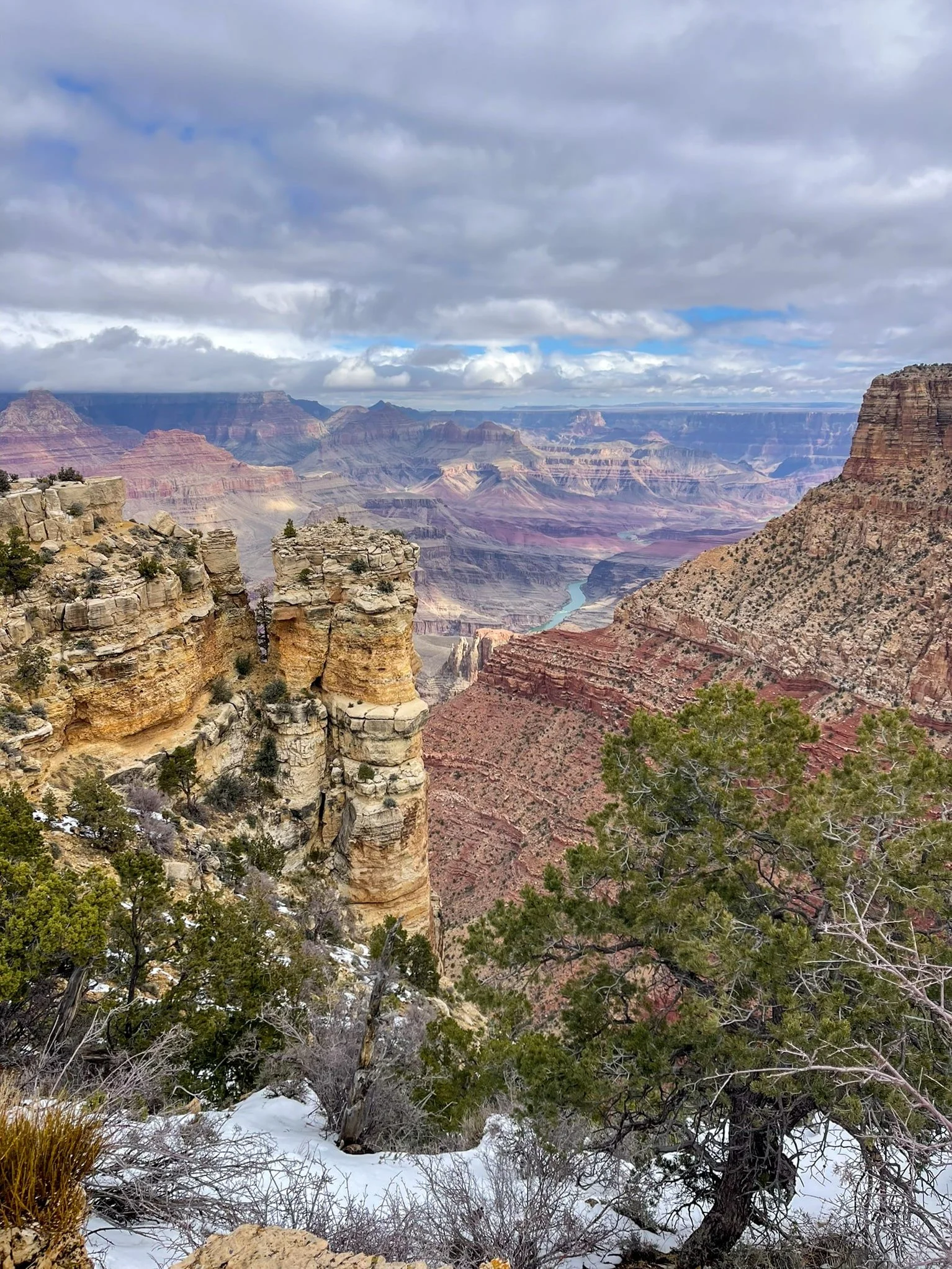
Welcome to The Grand Canyon!
The Grand Canyon is one of the Seven Natural Wonders of the World, and for good reason. Stretching over 277 miles long, up to 18 miles wide, and more than 6,000 feet deep, this iconic canyon has been carved over the last 5 to 6 million years. No matter how many photos you have seen, nothing compares to actually being here and experiencing it for yourself. Whether you are here for the epic views, a hiking adventure, or simply to say you stood at the edge of something this massive—this 2-day itinerary will help you make the most of your time at the Grand Canyon.
Oh & as always, practice sustainable tourism while traveling, please :)
Disclaimer: This post contains affiliate links. If you click through and make a purchase, my blog may receive a commission at no additional cost to you.
2 day Grand Canyon South Rim Itinerary
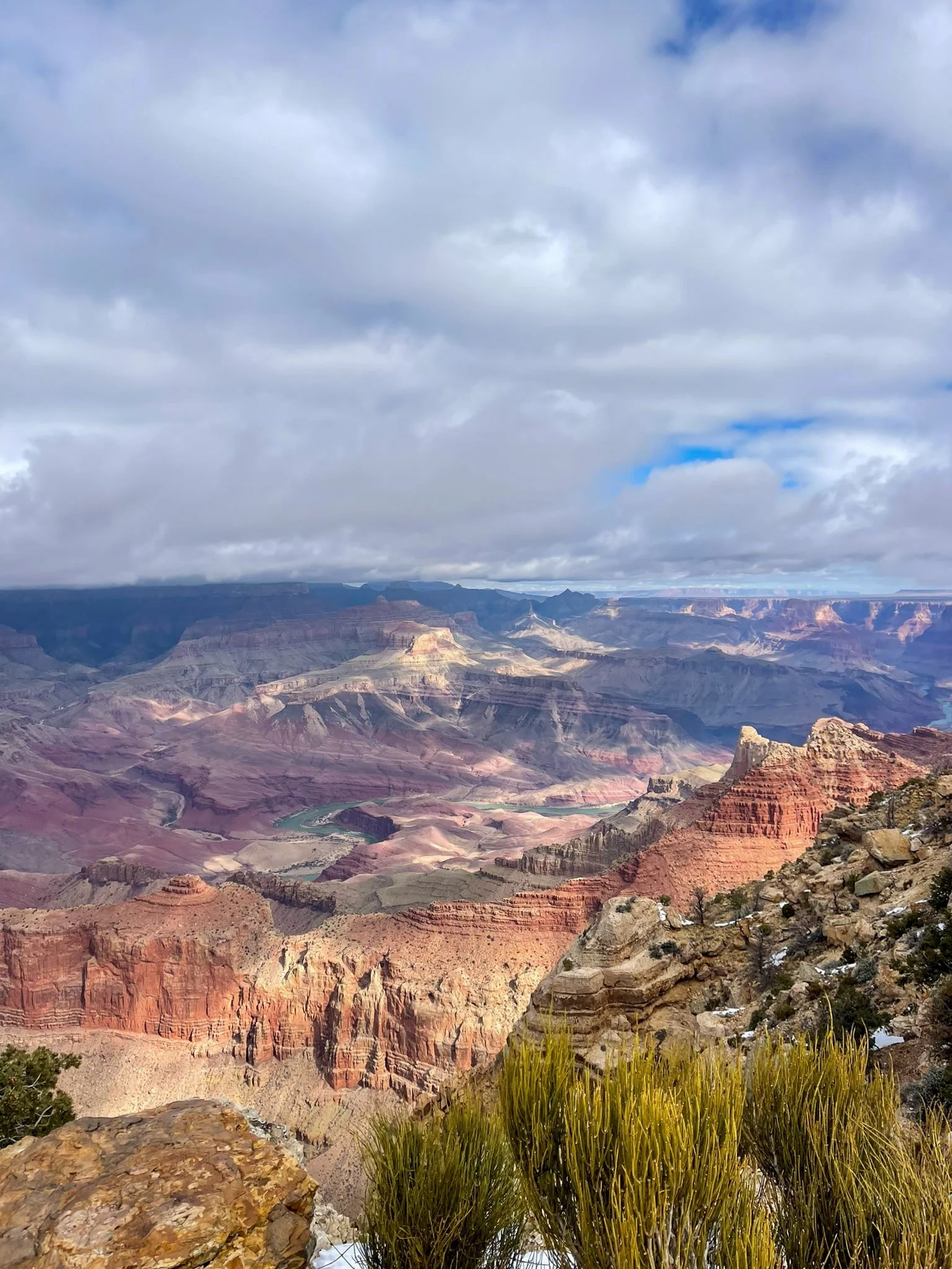
Lipan Viewpoint.
How to Get to The Grand Canyon
The best airports to fly into near the Grand Canyon South Rim:
To book flights, I suggest looking on Kiwi.com or Skyscanner.com for the best flight deals.
Flagstaff, AZ: 90.5 miles away (1.5 hours)
Page, AZ: 134 miles away (2.20 hours)
Phoenix, AZ (International): 233 miles away (2.5 hours)
Las Vegas, NV (International): 278 miles away (4.15 hours)
I recommend renting a car from the airport to reach the Grand Canyon South Rim.
The Best Time To Visit The Grand Canyon
You can visit the Grand Canyon South Rim year-round, depending on your preferred weather.
Spring (March-May)
The Grand Canyon begins warming up, but March can still have some chilly temperatures and snow.
Mid-late spring is when the park starts to become more crowded.
The Hermit Road (Red Bus Route) closes to private vehicles from March 1 to November 30, meaning you must use the free shuttle system to access the viewpoints along the road.
I suggest packing layers to accommodate the changing weather, especially in March. I went from snow to rain to sleet, to rainbows, to cold and breezy, to being hot along the South Kaibab Trail.
Summer (June-August)
Expect hotter temperatures on the rim (where the viewpoints and visitor center are) and extremely hot conditions within the canyon—this is important to bear in mind if you plan to hike along the South Kaibab Trail, etc.
This is also peak tourist season, so expect the park to be crowded!
Be sure to pack sunscreen, hats, extra water, electrolytes, snacks, etc.
Fall (September-November)
The weather begins to cool again along the rim and in the canyon.
Snow is more likely, especially on the rim, but it is not as intense as winter snowstorms.
After Labor Day, you will notice that the high season will dwindle.
Similar to spring, I suggest packing layers to accommodate changing temperatures.
Winter (December-February)
Cold and windy weather conditions with snowfall on the rim. Down in the canyon will be much chillier than in other seasons.
The crowds are at their lowest, so it is ideal for those seeking solitude.
This is the only time Hermit Road is open to private vehicles (December 1 to February 28/29). All shuttle services will be reduced during this time.
If you want more specific information on the weather and average temperatures, head to the Grand Canyon NPS site.
The North Rim of the Grand Canyon operates seasonally and is usually open from May 15 to October 15.
Pro Tip: Arizona does not practice daylight savings time!
The Grand Canyon: Where To Stay
For the easiest access to the Grand Canyon South Rim, I reccomend staying in:
- The Grand Canyon Village: Right in the South Rim
- Tusayan: 6.8 miles away
- Valle: 29.1 miles
- Williams: 59.4 miles
- Flagstaff: 79.2 miles
Be sure to book your accommodations months in advance:
- Best Low-Budget: Days Inn by Wyndham
- Best Mid-Budget: Americana Motel
- Best High Budget: Holiday Inn Resort or Under Canvas Grand Canyon (Glamping)
- Most Unique Stay: Clear Sky Resort Domes
You can also find hotel deals at Agoda and Hostel World! You can help support my travel blog by clicking and booking through the links at no additional cost to you!
The 2-Day Grand Canyon Itinerary
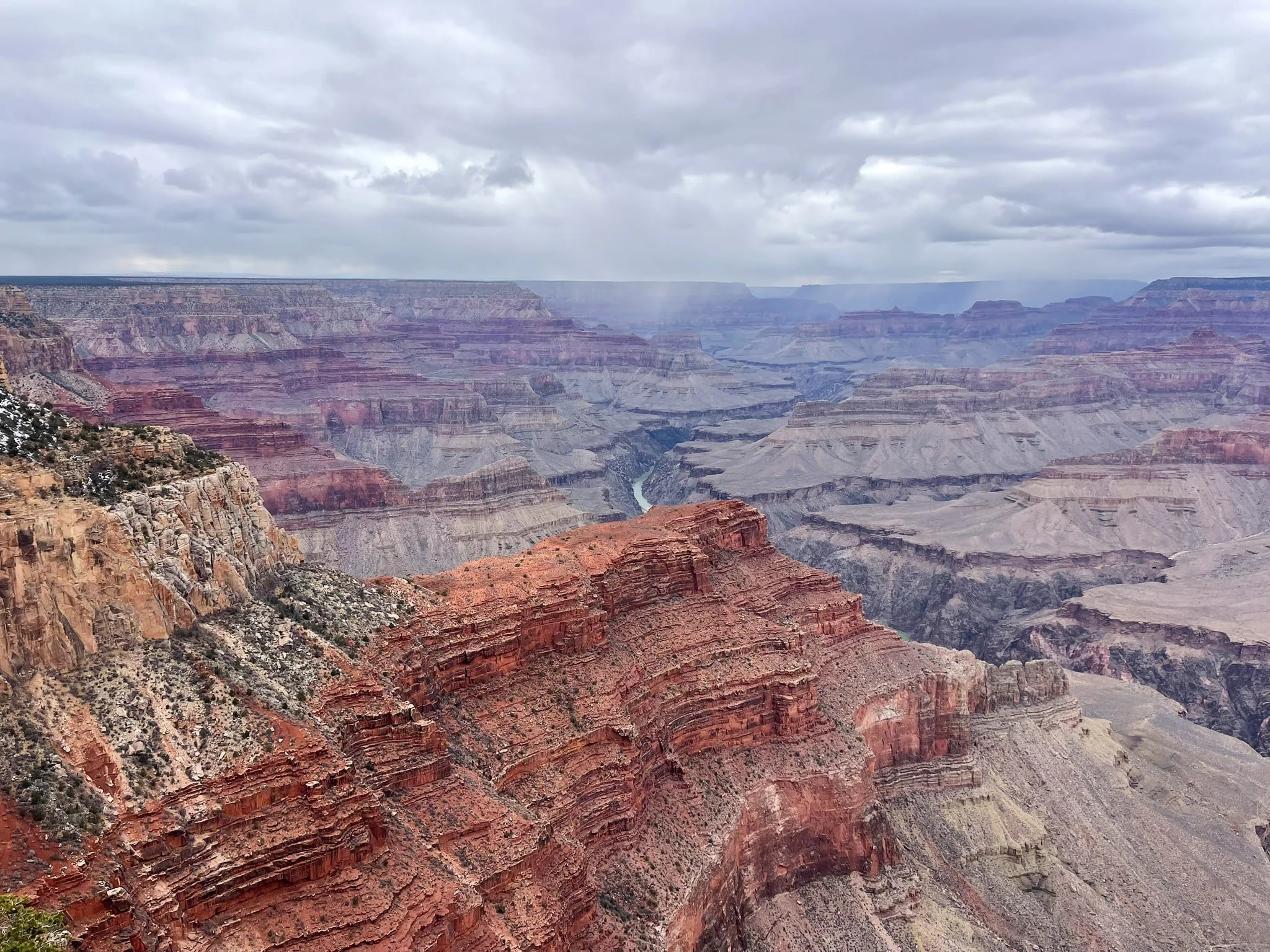
Hopi Point
Grand Canyon Entrance Fees: 35 USD for 7 days. The America the Beautiful Pass can be used! No reservation is required.
Day 1: The Red Route & Orange Viewpoints
Welcome to your first day in the Grand Canyon! After grabbing that delicious cup of coffee and heading into the park, it is time to begin your day. The first day of your Grand Canyon itinerary will be filled with viewpoints over the canyon. You can choose to do as many or as few as you would like, but I will be sure to list some of my top spots below.
Unless visiting between November 30 and March 1, you need to park at the Visitor Center, take the Blue Route shuttle to the Hermit’s Rest Route Transfer stop, and then transfer to the Red Route shuttle. If you do not want to ride the shuttle, you can bike along the road or walk along a specified trail. The red route is 8.2 miles long, with 9 viewpoints spread out. Click here for the map.
If you take the shuttle and visit every viewpoint, plan to spend 3-4 hours minimum. If you choose to walk or bike, plan for more time spent here.
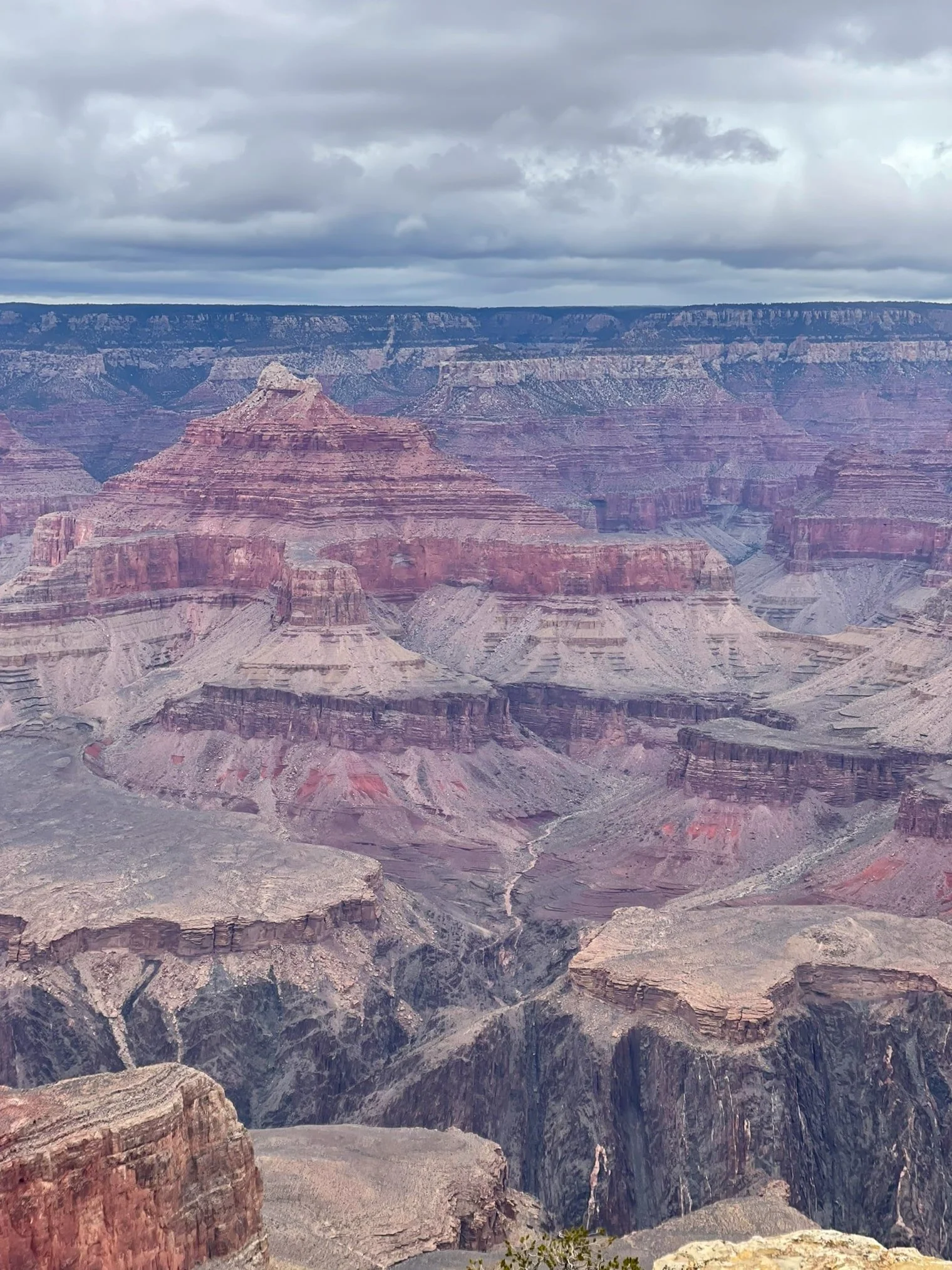
Powell Point.
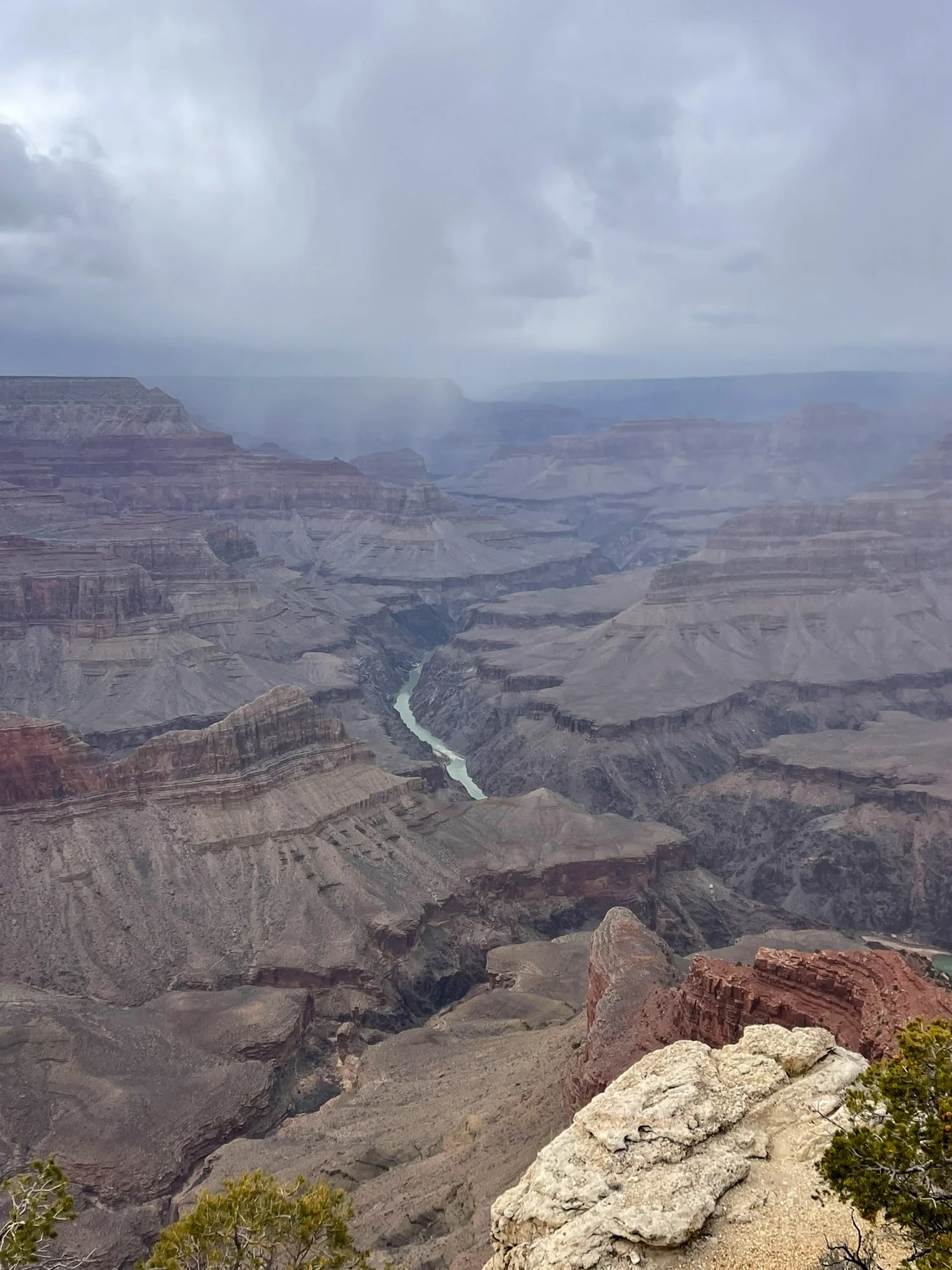
Mohave Point.
My Favorite Viewpoints Along the Red Route:
Powell Point (shown above to the left)
Mohave Point (shown above to the right)
Hopi Point (shown in the photo above Powell & Mohave)
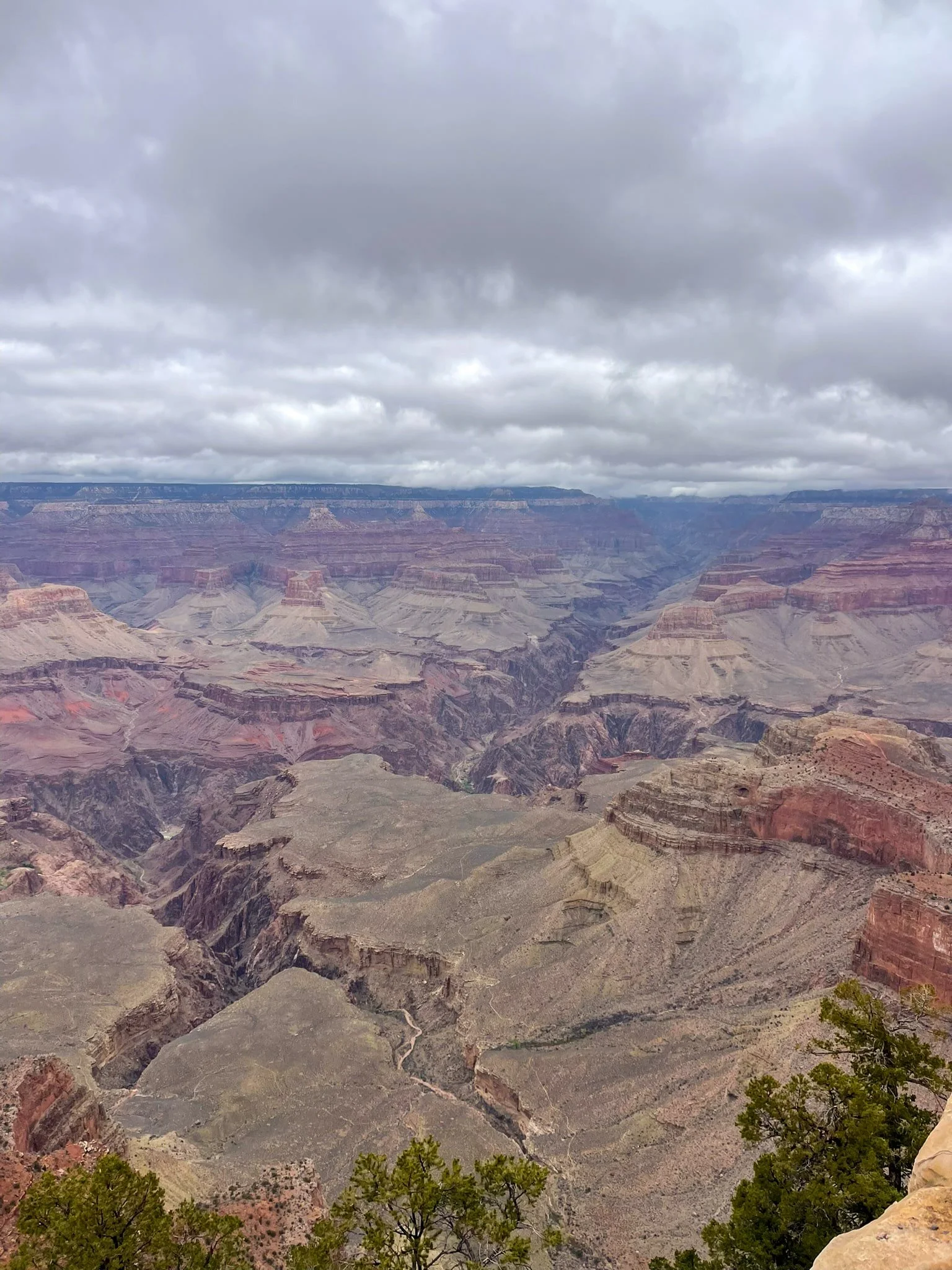
Mather Point.
For the second half of the day, spend some time exploring the viewpoints at the visitor center. They are within walking distance from the visitor center too, which makes them even easier to access.
Viewpoints Within Walking Distance of the Visitor Center:
(These points are technically located along the Orange Bus Route, the last few Orange route stops we will return to on your second day). Click here for the map.
Mather Point – Just a 5-minute walk from the Visitor Center parking.
Yavapai Point – A 5-10 minute walk from Mather Point. Home to the Yavapai Geology Museum, which highlights the canyon’s geological history. I suggest spending some time exploring the history of the park here.
Both points offer excellent views for sunset too! Because of this, they can get quite crowded.
Day 2: Hiking Into the Grand Canyon & Desert View Drive
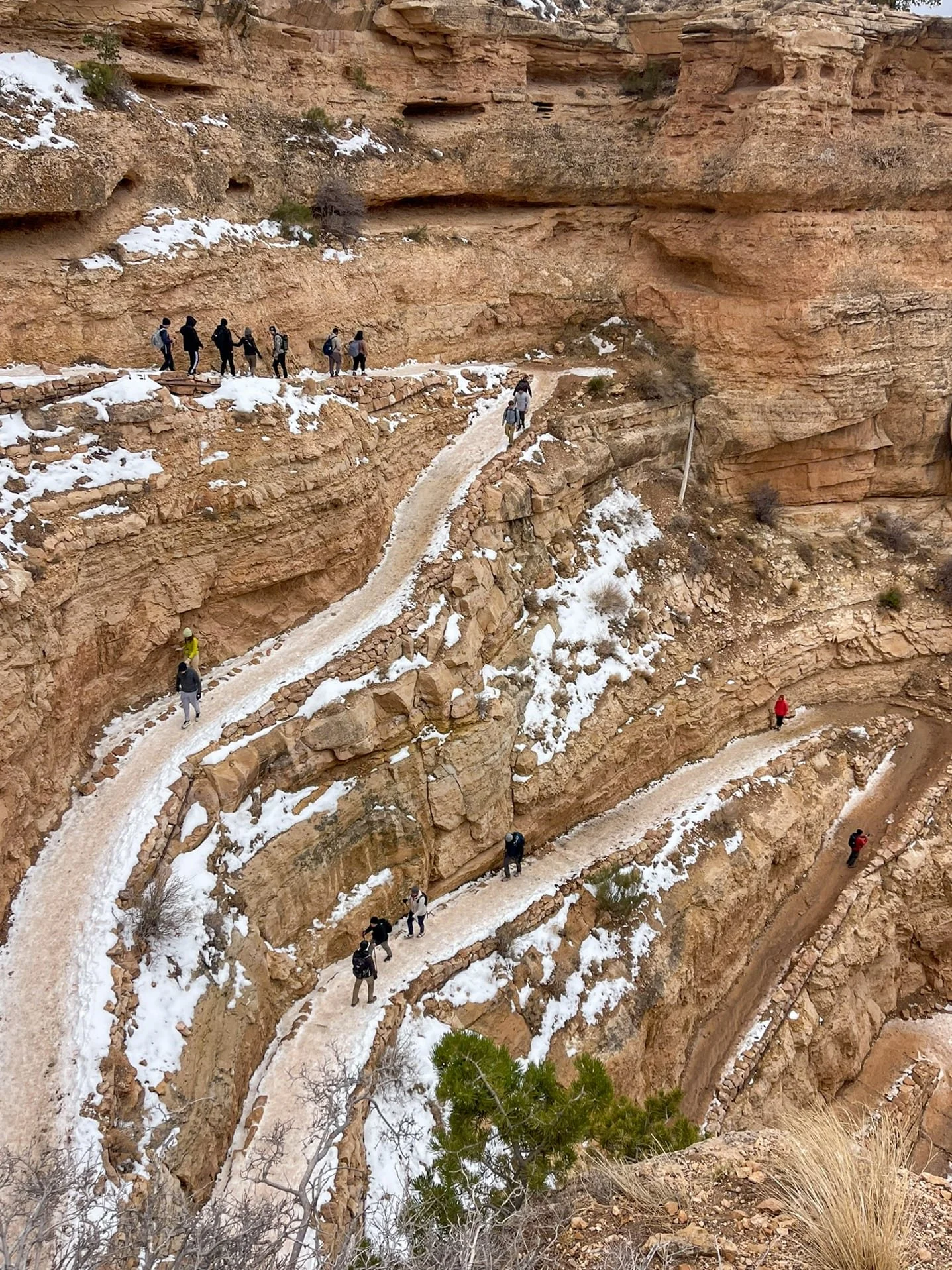
A view of the switchbacks on the South Kaibab Trailhead in the Grand Canyon South Rim.
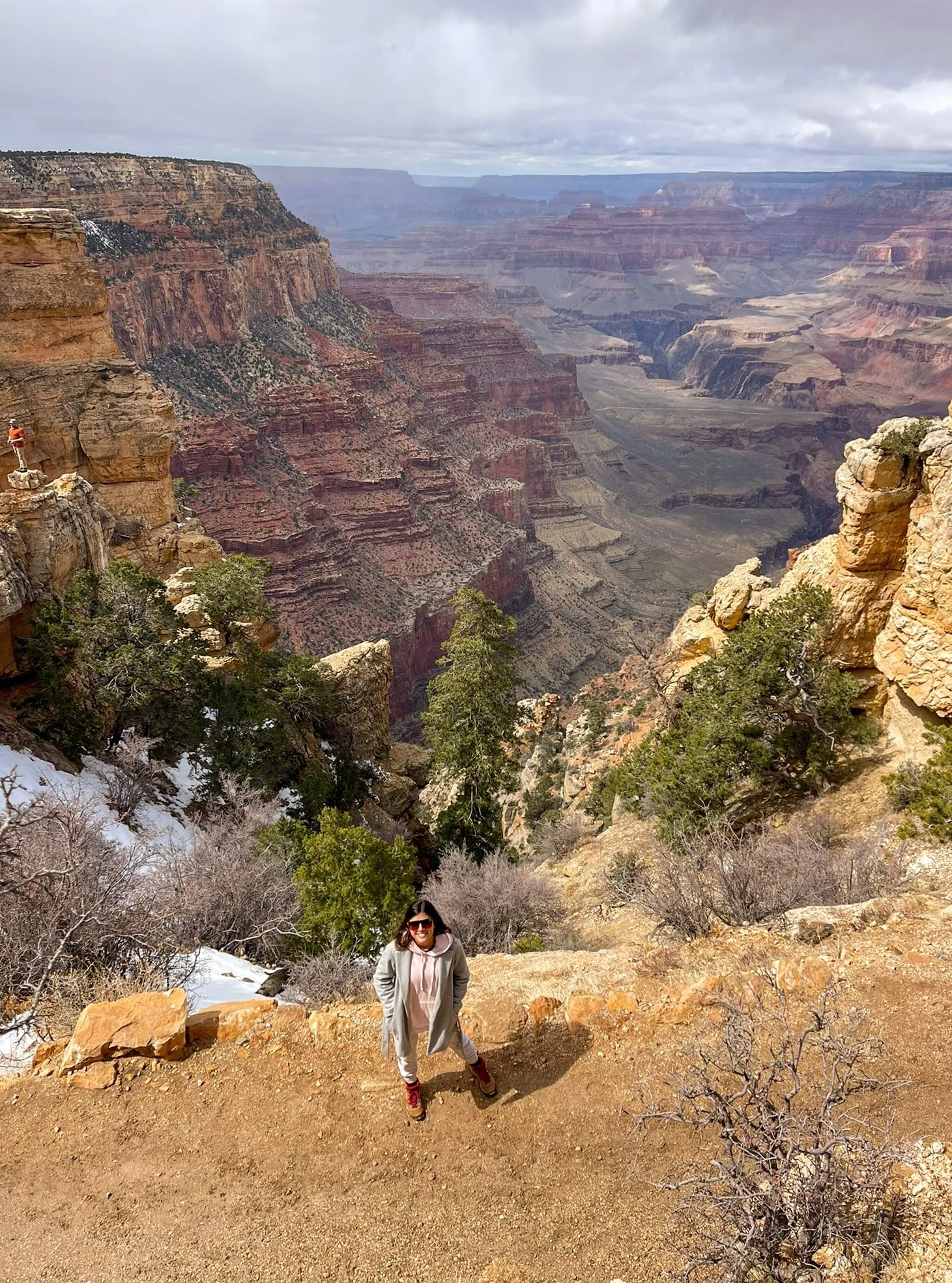
Me standing on a switchback along the South Kaibab Trailhead.
On your second day at the Grand Canyon’s South Rim, get ready to hike down into the canyon! Start by parking at the visitor center, then hop on the Orange Route bus to head to the South Kaibab Trailhead. You can hike as deep into the canyon as you like, but be sure to pack accordingly for the journey.
The trail starts with a series of switchbacks and then levels out into a gradual decline. Keep in mind—what goes down must come up, and the climb back up is definitely tougher. When I hiked it in March, the switchbacks were covered in slush and snow, making them extremely slippery and icy. Always check the weather before your hike, and if you are hiking in winter or early spring, do not forget your ice grips! I also recommend packing layers since you will warm up as you hike down.
The stops along the trail are as follows:
Cedar Ridge: 3.1 miles, 1,181 feet of elevation loss & gain
Skeleton Point: 5.8 miles, 2,027 feet of elevation loss & gain
Beware of altitude sickness hiking below this point***
You can hike beyond this point, but you need to check in with a park ranger and may even need a permit.
After your epic hike into the canyon, take advantage of being on the Orange Bus Route and stop by Yaki Point.
If you prefer another more challenging, you can head back to the Grand Canyon Village to Bright Angel Trailhead: 15.8 miles, over 4,000 feet of elevation gain. Again, altitude sickness is a concern on this trail, so be sure to do your due diligence before taking on this hike.
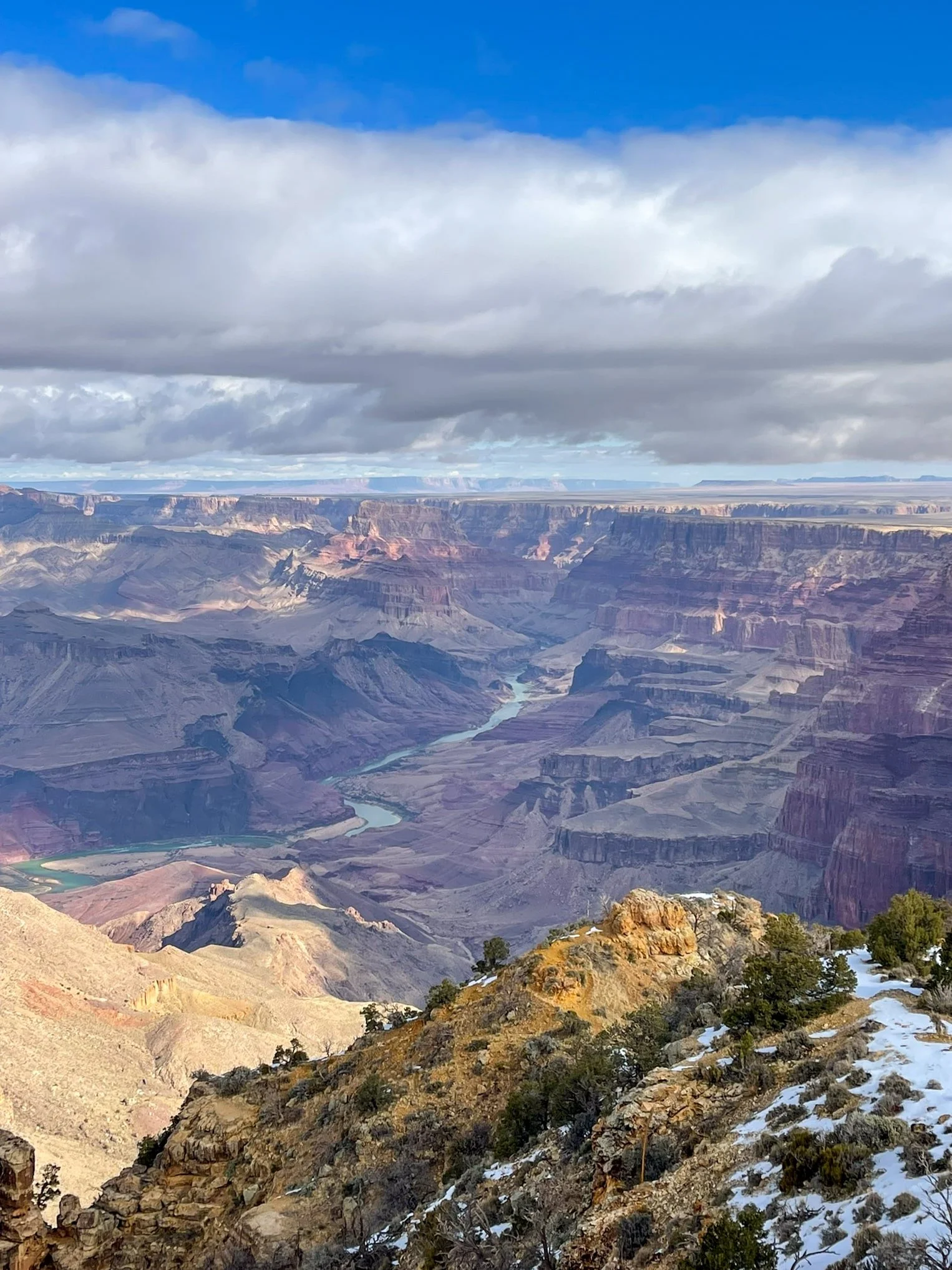
An epic view over Desert Drive Viewpoint.
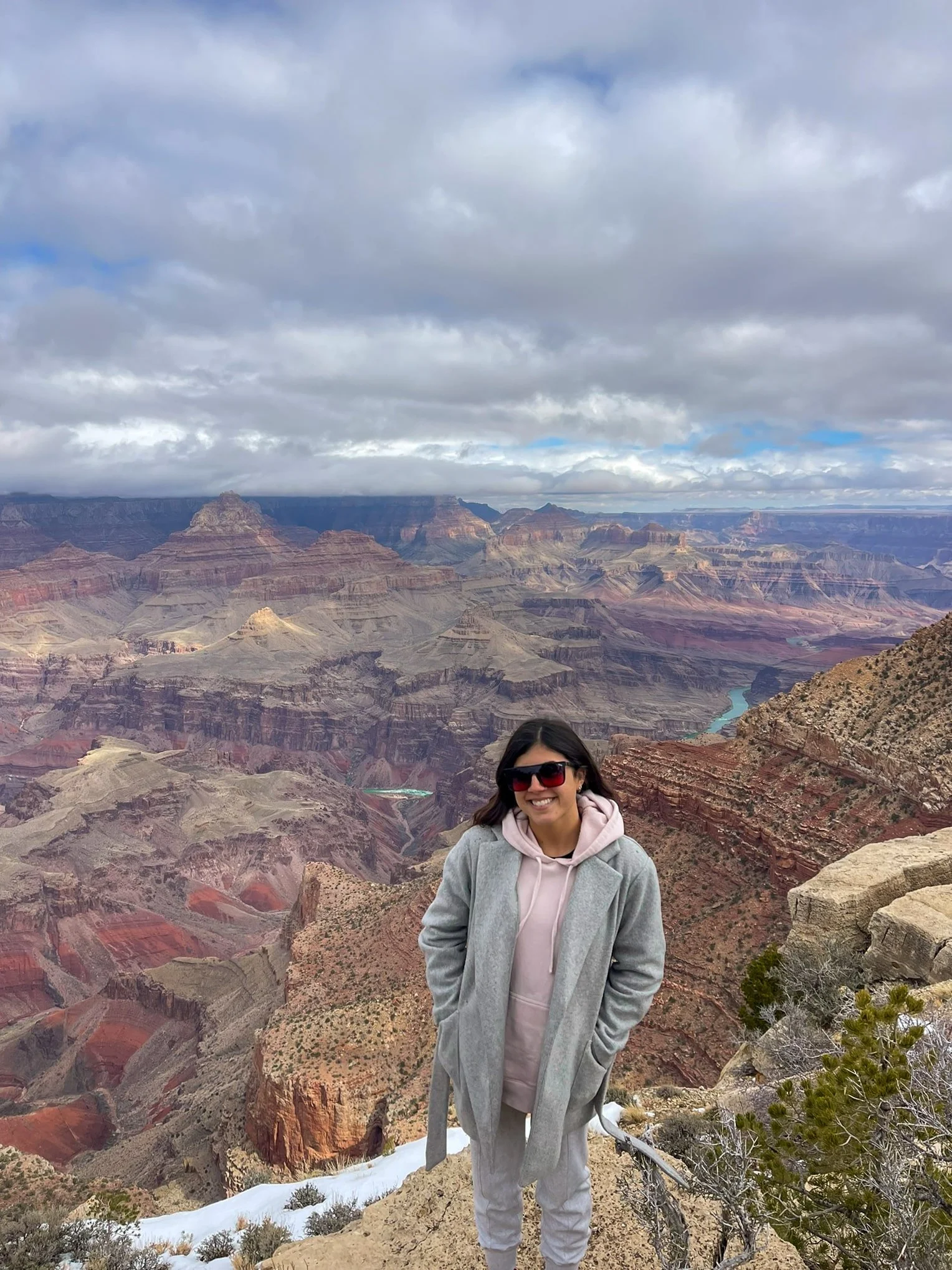
Me standing in front of Grand Viewpoint.
Once you have returned to the visitor center, hop into your car and ride along Desert Drive making stops as you go!
Viewpoints Along Desert View Drive:
(Accessible by car only—shuttle buses do not go here.) Click here for the map.
Pipe Creek Vista - a beautiful open view over Pipe Creek Canyon!
Duck on a Rock Viewpoint - exactly what it sounds like, a yellow duck-shaped rock sitting before the view over the Grand Canyon. I actually loved this viewpoint!
Desert Viewpoint – The easternmost viewpoint on the South Rim, featuring a watchtower with 360° views. There is also a small shop, a museum, and a coffee shop. There is no entrance fee here, but donations are welcome.
Moran Point- panoramic colorful views with the Colorado River snaking through the canyon.
Grand View Point - I mean, I think the name covers the explanation of this viewpoint. I love the shades of red you can see on the rocks here!
I hope you enjoy your 2-day itinerary in the Grand Canyon South Rim!
Grand Canyon Tips For Your Visit
Before You Go:
Always check the weather before booking your trip to ensure you choose your preferred conditions and know what to pack—especially in the hot summer months when extra water is essential and heat strokes are more prominent. Bringing layers is your best option to accommodate the cooler mornings and evenings.
Use NPS (National Park Service) to stay up-to-date on closures throughout the National Parks due to weather, fires, and more.
Grand Canyon Entrance Fees: 35 USD for 7 days. The America the Beautiful Pass can be used! No reservation is required.
Packing Tips:
Bring plenty of water/a reusable water bottle. Thankfully there are many free water fill stations around the national park available.
Stock your car with snacks, water, and electrolytes to stay hydrated during your travels.
Mornings and evenings can be chilly, so it is best to dress in layers that you can easily remove as the day warms up. Of course, if venturing here in the warmer months, bringing sunscreen, hats, etc., is more important.
Pack sturdy hiking shoes to prevent falls, navigate slippery trails, and avoid injuries. If you are traveling from outside the US, purchase travel medical insurance in case of an emergency. My boyfriend (UK) uses Safety Wing’s US plan while he is here.
If you do not have a US SIM for your phone, I suggest downloading an eSIM such as Airalo to access maps, trails, and emergency phone calls during your trip.
Download AllTrails to your phone so you have access to the trail maps for the Grand Canyon!
Logistical Tips:
Start your day early to avoid heat and crowds. Shuttle buses make getting around easier, but make finding a parking spot tougher during the high season.
Note that the shuttles within the park start operating at different times. You can find more information on this and a map displaying the routes here. Shuttle times can vary depending on the season. As a reminder, you can drive along the red route from November 30 - March 1.
Hermit’s Rest Route (Red): 8:00 AM - 1 hour after sunset
Village Route (Blue): 7:00 AM - 9:00 PM
Kaibab Route (Orange): 6:00 AM - 1 hour after sunset
Hopi Point, Mather Point (crowded), and Yavapai Point are a few of the best sunset spots. Hopi is great for sunrise but can be crowded.
Watch for wildlife. I saw many deer and goats throughout the park.
Restaurant Tips:
Many food options in/around the Grand Canyon are not rated very well (besides the ones listed below). I suggest considering bringing some microwave-friendly food options with you. There is a grocery store in the Grand Canyon, but food will be more expensive here.
El Tovar (make reservations up to 45 days ahead of time)
S & J Mobile Cafe (30 minutes south of the Grand Canyon)
Leoncitos Mexican Food (30 minutes south of the Grand Canyon)
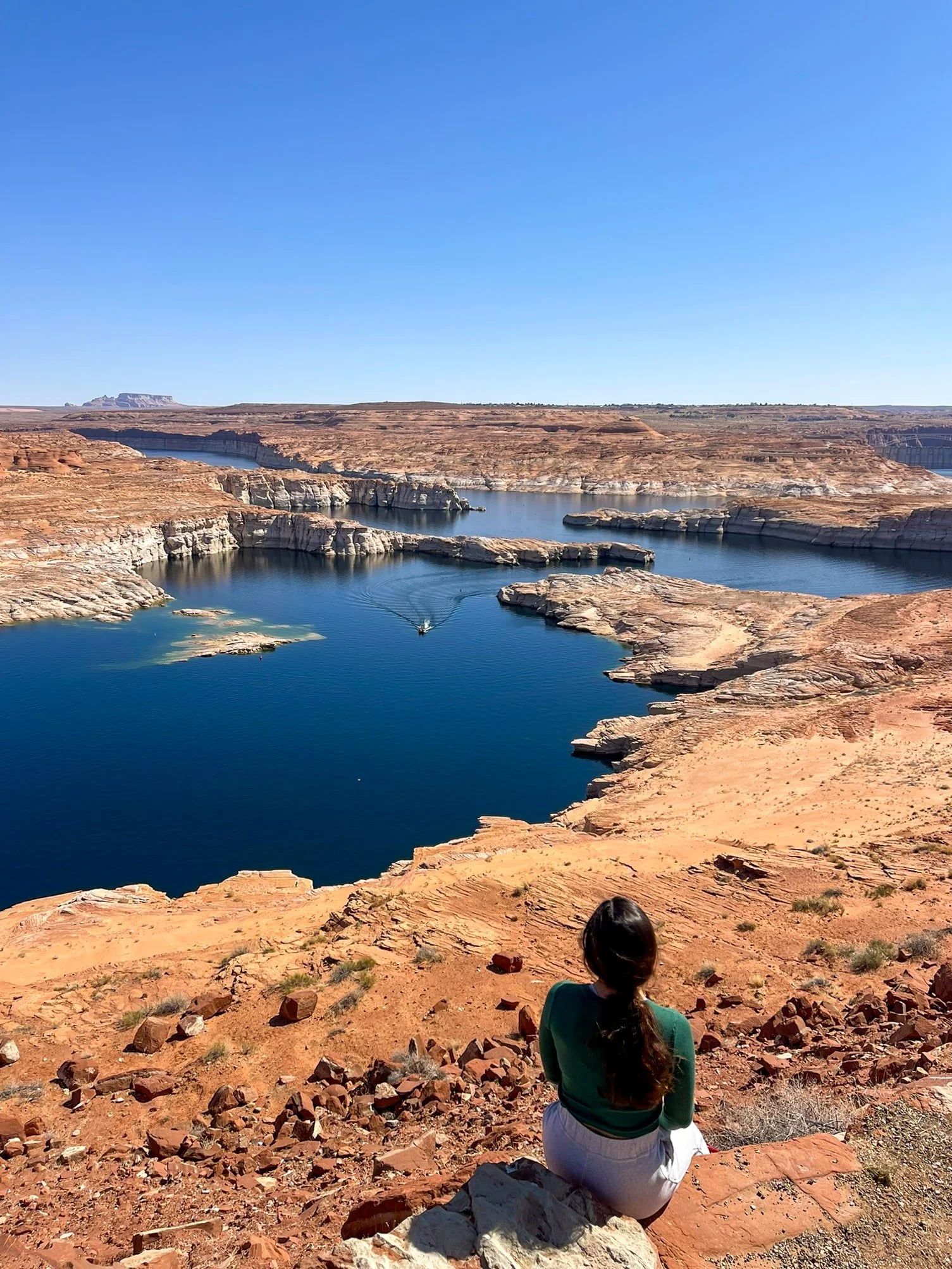
Heading to Page, Arizona, after the Grand Canyon? Be sure to check out my top picks for 12 epic things to do in Page and the best hikes in and around town—this spot is seriously underrated and worth the extra time.
Looking for a Page, AZ, to the Grand Canyon road trip itinerary? Click here!
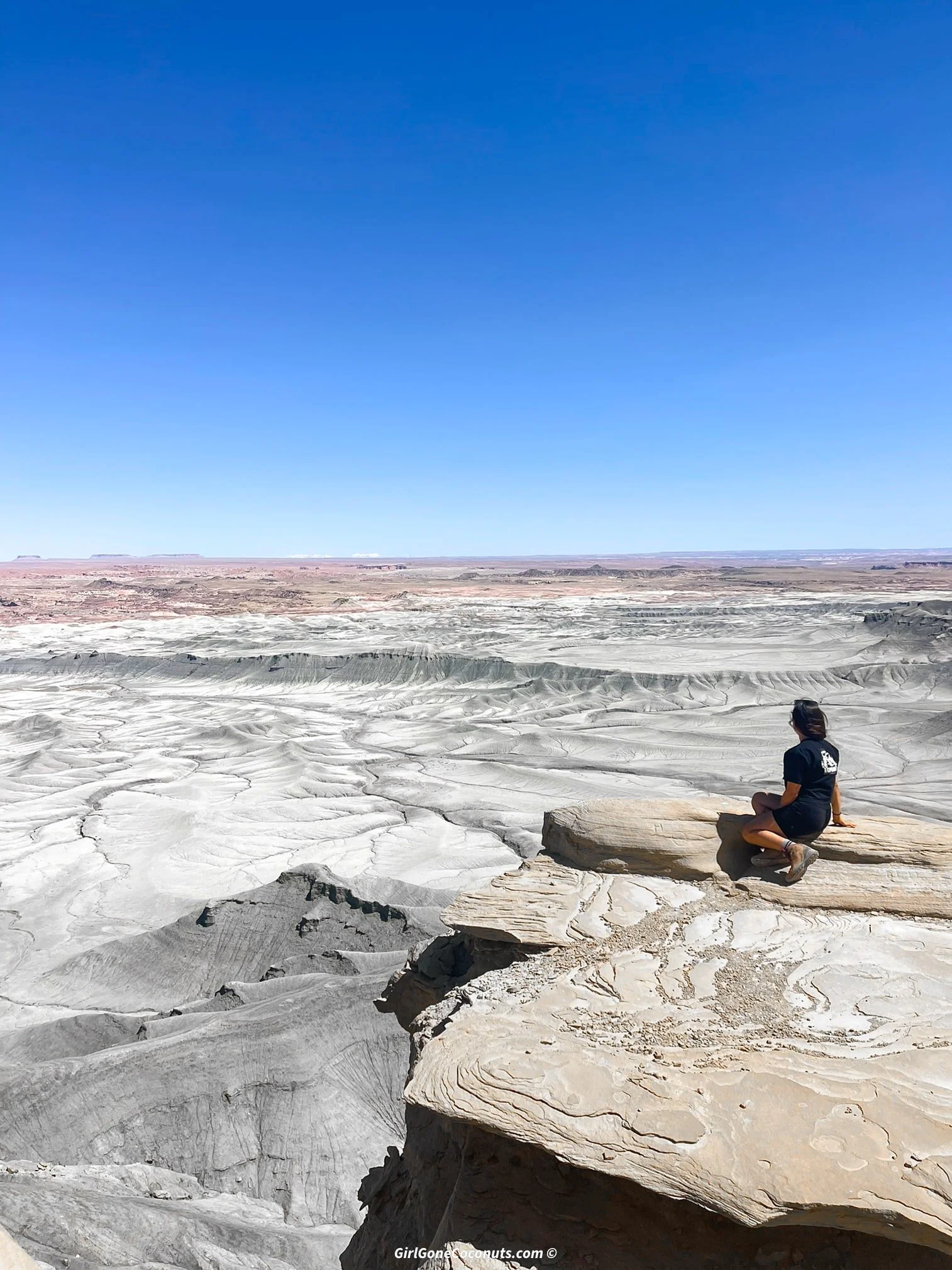
Looking for your next otherworldly hike? Check out Moonscape Overlook in Utah.
Grand Canyon Frequently Asked Questions
Is the South Rim worth it?
Yes, the South Rim of the Grand Canyon is SO worth the visit. It is the more adventurous side, offering plenty of viewpoints along the rim and opportunities to hike down into the canyon.
Which Rim Should You Visit?
The South Rim is a must-visit if you are looking for more adventure and have the time. However, if you are short on time or want to experience the Grand Canyon in a few hours (especially if you are coming from Las Vegas), the West Rim might be a better option.
How many days do you need at the Grand Canyon South Rim?
I flew through everything in the South Rim in one (very long) day! However, 1.5-2 days is the best timeframe for a more relaxed and enjoyable experience.
Is 2 or 3 days enough for the Grand Canyon?
Yes! I think 2 days is plenty and I think 3 days might be too much unless you intend to do some biking or hike across the rim.